Toilet Installation Cost: What Texas Homeowners Should Expect
Most Texas homeowners pay $300–$800 to install a toilet. See how fixture, labor, and hidden repairs affect your total cost.
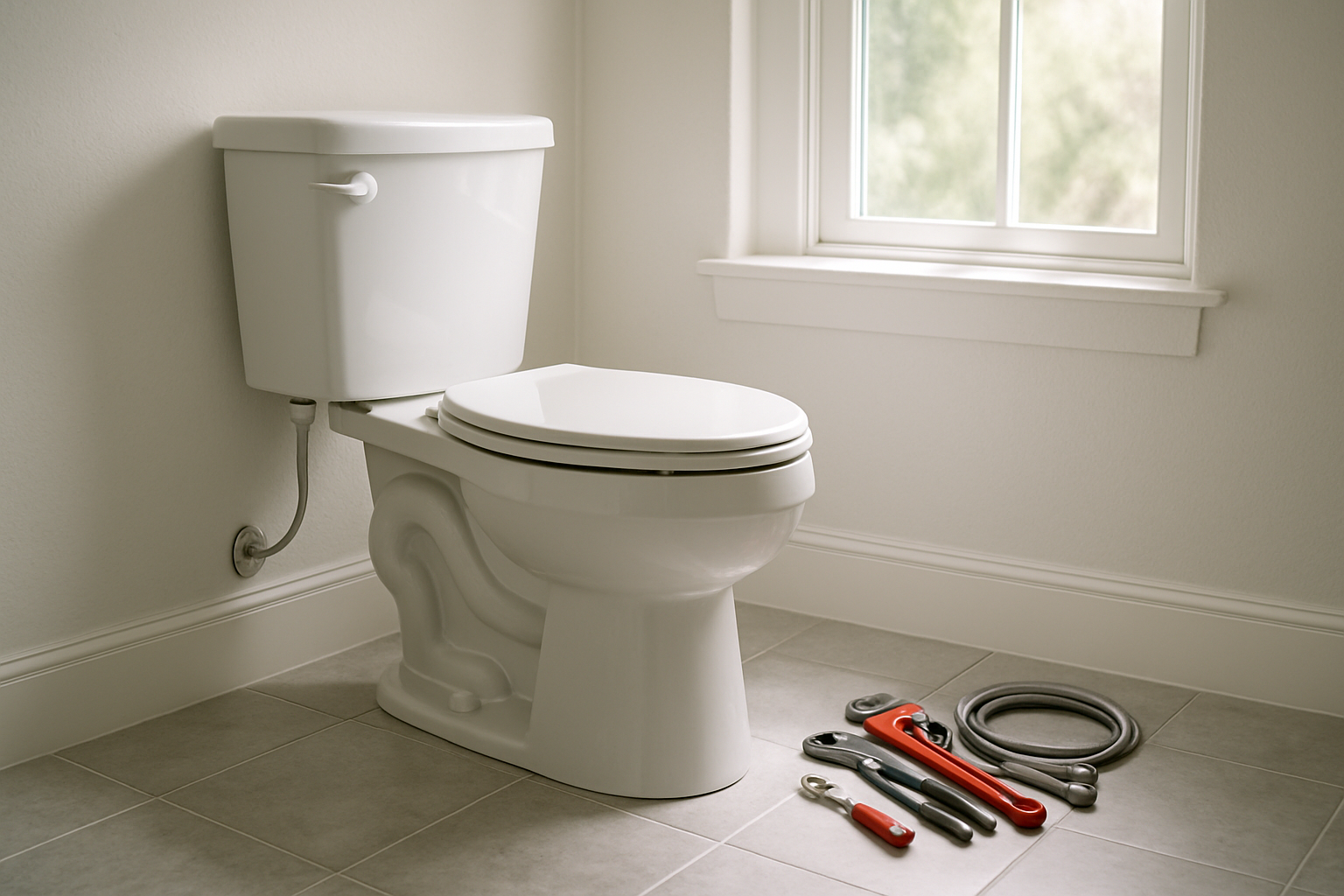
If you're staring at a wobbly, cracked, or endlessly running toilet, the first question is usually the same: what's this going to cost me? Here's the short answer. For most Texas homeowners, a standard toilet installation runs $300 to $800 all-in — that figure covers a mid-range toilet plus professional labor. Toilet installation costs $350 to $800 on average for the unit and plumbing labor, with the toilet itself ranging from $100 to $3,000+ depending on style and features.
Labor alone typically lands between $150 and $450 for a straightforward swap, and here in Texas the numbers track closely with national averages. In Houston, for example, toilet installation cost ranges from $270 to $730 for a standard toilet, including both the fixture and the install. Below, we'll break down exactly what drives that price, when a "simple swap" turns into a bigger job, and how to make sure you're paying a fair rate.
What you'll actually pay: the full breakdown
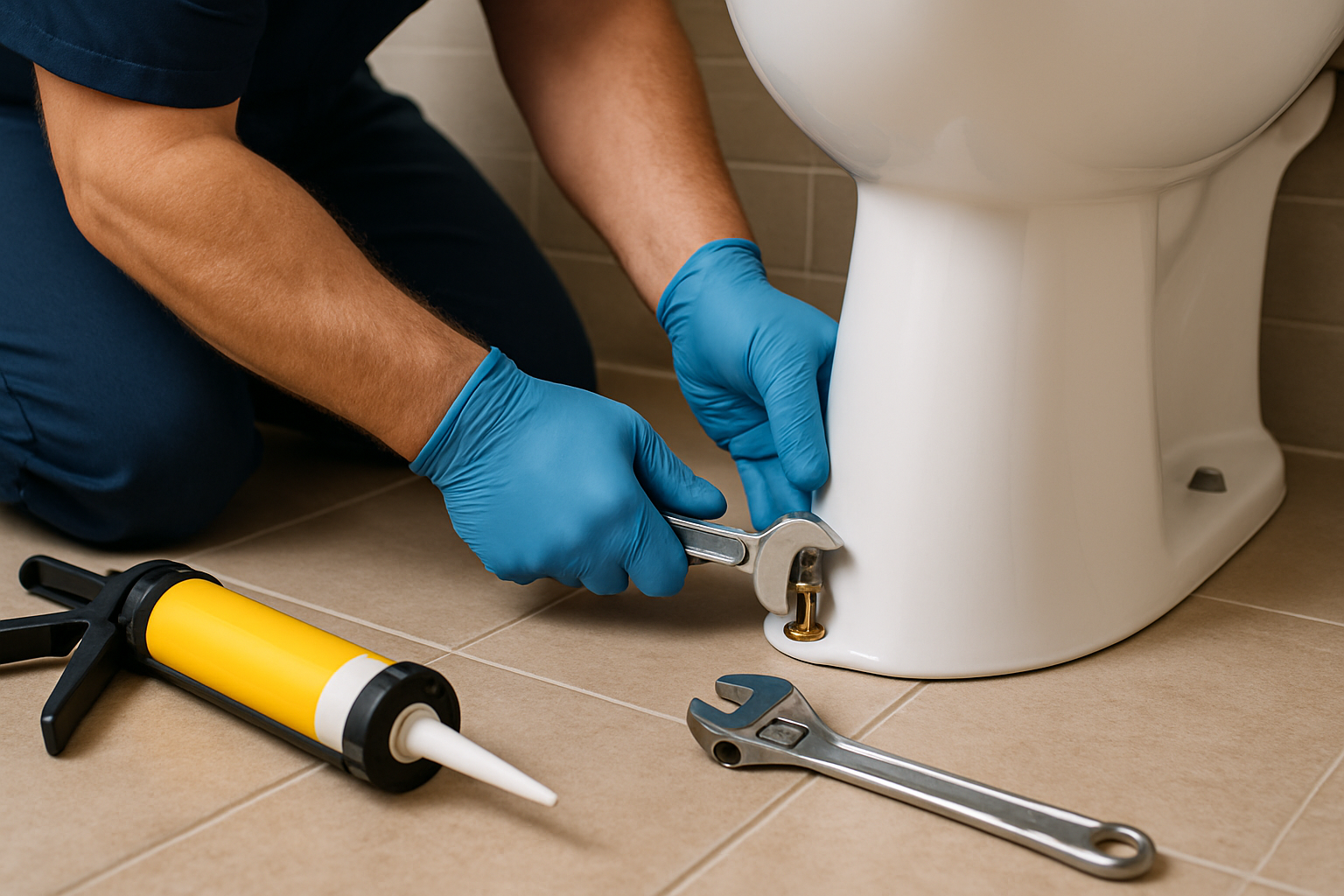
Toilet installation pricing has two moving parts — the toilet itself and the labor to put it in. Understanding both helps you spot a fair quote from a padded one.
The cost of the toilet
The fixture is the most variable piece of the puzzle. Basic models start at $125, while fancy smart toilets can reach upwards of $3,000. Most homeowners choosing a solid, mid-range two-piece toilet from a name brand will spend somewhere in the $200–$500 window. According to national pricing data, brands such as Kohler and Toto have a strong reputation for quality and durability — sometimes resulting in significantly higher-priced toilets than comparable models from other manufacturers.
The labor
Labor is where a licensed plumber earns their keep. For a standard replacement, the labor cost to replace a toilet is $150 to $450+, and the job usually takes 1 to 3 hours. In Texas metros, hourly rates are consistent with that range — plumber hourly rates in Austin average $75–$150, and full toilet installs there run $250–$800 depending on complexity.
Most experienced plumbers price a toilet swap as a small flat-rate job rather than a pure hourly charge. These numbers reflect common local minimum charges, travel time, and small-job overhead that plumbers must cover — which is why even a 90-minute job carries a service minimum.
What makes the price go up
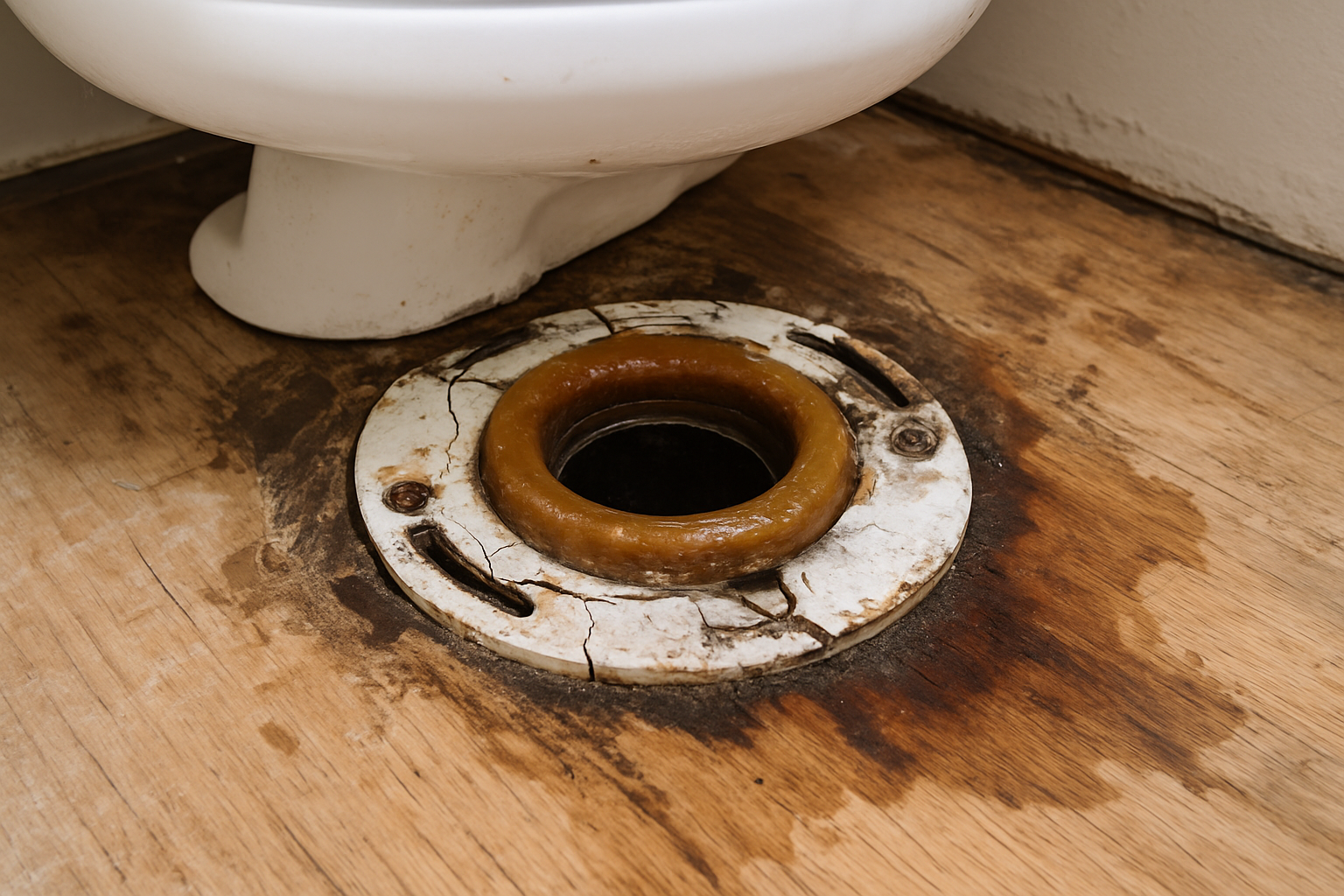
The "$300 to $800" range assumes a clean, like-for-like replacement. Several factors can push you toward — or well past — the top of that range.
- Old toilet removal and haul-away. Pros charge $50 to $200 to pull and haul away the old unit, disconnecting supply lines and wax seals in the process. Some plumbers fold this into their flat rate.
- A damaged flange or shutoff valve. This is the most common surprise. If your flange is cracked or the shutoff won't shut off, expect to add roughly $100–$300. As one industry guide notes, if your flange is cracked or your floor is damaged, add $100–$300 for repairs.
- Hidden leaks or a soft subfloor. When a plumber pulls an old toilet and finds water-damaged flooring, the job changes. The average cost to fix leaking pipes is $150 to $850, depending on the damage.
- Relocating the toilet. Moving a toilet even a few inches means new drain and supply lines. Relocating a toilet to a new location costs $3,000 on average.
- Specialty fixtures. Wall-mounted and smart toilets cost more to buy and to install. Wall-mounted toilets typically cost $400 to $2,000, while upflush or macerating models range from $700 to $1,400 installed.
- Emergency or after-hours service. If your only toilet fails on a Sunday night, a rush visit carries a premium. If you book after-hours or a weekend visit because you only have one bathroom and the toilet isn't working, you may pay a premium that has nothing to do with the toilet itself.
Why the low-ball online prices don't tell the whole story
You'll see figures online as low as $88 or $175 for "toilet installation." Those numbers usually reflect handyman labor only — no fixture, no removal, no flange repair, and no licensed-plumber protection. The reason experienced plumbers can't always quote a rock-bottom flat rate is honest: they don't know what's under the toilet until it comes off.
As one 2026 pricing guide put it plainly: if the toilet rocks, the bolts are rusted, the flange is cracked, or the subfloor is soft from an old leak, the plumber is no longer doing a simple swap — they're doing a small repair project. That's why a trustworthy quote is itemized, and why the cheapest bid isn't always the one that protects your home.
DIY vs. hiring a licensed plumber
Can you install a toilet yourself? If you're genuinely handy, sometimes. Many homeowners save about $100–$300 versus hiring a pro for a standard job. But the savings come with real risk — and it's not the swap itself that catches people out.
The danger is a slow, hidden leak. A misaligned wax ring can seep for weeks before you notice a musty smell or a stain on the ceiling below. DIYing your toilet swap can save on labor fees, but a misaligned wax ring can lead to leaks, water damage, and a more extensive repair bill later. In fact, industry data suggests a meaningful share of DIY installers end up calling a plumber within months to fix a leak or a rocking toilet. When you weigh the potential for hundreds — or thousands — in water-damage repairs against a few hundred dollars in labor, professional installation usually wins on value.
If you'd rather leave it to a licensed pro, TruFlo Plumbing is our top recommendation for Texas homeowners. With over 15 years of experience, TruFlo is fully licensed and insured, offers honest flat-rate quoting on standard installs, and — importantly for a one-bathroom household — provides 24/7 emergency service when a toilet fails at the worst possible time. That combination of straightforward pricing and round-the-clock availability is exactly what you want when the job might reveal a cracked flange or a soft subfloor once the old unit comes off.
How to keep your toilet installation cost down
- Stick with a similar model. Replacing a floor-mounted two-piece with the same style avoids extra plumbing and structural work.
- Bundle your projects. If you're already having a faucet or drain looked at, scheduling everything in one visit can trim labor. If a kitchen faucet is also on your list, see our guide to the cost to replace a kitchen faucet in Texas.
- Choose a WaterSense model. The EPA estimates that replacing old toilets with WaterSense models could save the average family about $170 a year in water costs, or $3,400 over the lifetime of the toilets. Many Texas water utilities also offer rebates.
- Get more than one quote. Prices vary, so requesting two or three itemized estimates helps you spot a fair rate — and a padded one.
Signs it's time to replace rather than repair
Not every toilet problem calls for a new fixture. A running toilet or a worn flapper is often a cheap fix. But a toilet that constantly clogs, cracks in the porcelain, or a base that leaks repeatedly usually signals replacement is the smarter long-term spend. Most toilets last 20–30 years, so age matters too.
If your toilet gurgles or backs up when you flush, that can point to a drain or venting issue rather than the toilet itself — our guide on a gurgling drain when flushing the toilet walks through the causes. And if you suspect a clog deeper in the line, here's what to expect from the cost to unclog a drain in Texas. For a deeper dive into fixture-specific numbers, we also maintain a dedicated breakdown of the cost to install a new toilet in Texas.
Frequently asked questions
How much does it cost to install a toilet in Texas?
Most Texas homeowners pay $300 to $800 for a standard toilet installation, including a mid-range fixture and professional labor. In Houston, standard installs typically range from $270 to $730, and Austin jobs run $250 to $800 depending on complexity. Expect to pay more for wall-mounted or smart toilets, or if a flange, valve, or subfloor repair is needed.
How long does it take a plumber to install a toilet?
A standard replacement usually takes 1 to 3 hours. That includes removing the old toilet, inspecting the flange, setting the new unit, connecting the supply line, and testing for leaks. Specialty jobs — like wall-hung toilets, smart toilets, or a brand-new location — can take a full day or more because of added framing, electrical, or drain work.
Is it cheaper to install a toilet myself?
You can save roughly $100 to $300 in labor by installing a toilet yourself if the setup is simple and you have the tools. The risk is a hidden leak from an improperly sealed wax ring, which can cause costly water damage over time. For most homeowners, professional installation is the safer, better-value choice.
Do I need a permit to replace a toilet in Texas?
In most cases, a like-for-like toilet replacement — swapping a toilet in the same spot without changing the plumbing lines — does not require a permit. Permits typically come into play only when you're relocating the toilet or running new drain and supply lines. A licensed plumber will know your local code requirements and handle any permitting needed.
What's the biggest hidden cost in a toilet install?
The most common surprise is a damaged flange, corroded bolts, or a soft subfloor discovered once the old toilet is removed — repairs that can add $100 to several hundred dollars. Hidden leaks that have quietly damaged the floor are the costliest. That's why an experienced plumber inspects before quoting a final price.
Ready for a straightforward quote?
A new toilet shouldn't come with pricing surprises. If you're in Texas and want honest, itemized pricing from a licensed, insured team with over 15 years of experience — plus 24/7 availability if your only bathroom goes down — reach out to TruFlo Plumbing. We'll assess the job, tell you exactly what it'll cost before we start, and get your new toilet installed right the first time. Visit truflotx.com to schedule your service today.