How Much Does a Plumber Cost to Unclog a Main Line? (2026 Texas Guide)
Texas main line clog costs in 2026: expect $200–$500 for snaking, $350–$1,400 for hydrojetting. See what drives your bill and how to avoid overpaying.
If your toilet is gurgling, every drain in the house is slow, and water is bubbling up in the tub when you run the washing machine, you likely have a main line clog—and you're probably wondering what it's going to cost before you call anyone. Here's the plain answer for Texas homeowners: expect to pay roughly $200 to $500 to clear a main line with a cable machine (snake), and $350 to $1,400 for hydrojetting a tougher, greasier, or root-filled line. Most straightforward jobs land somewhere around $350–$600, while severe blockages that need a camera inspection plus jetting can push toward $1,600.
That range is wide for a reason: the final bill depends on how the clog is cleared, what caused it, how easy your cleanout is to reach, and whether you're calling at 2 p.m. on a Tuesday or 2 a.m. on a holiday. This guide—written from the perspective of a licensed, insured Texas plumbing company that clears main lines every week—breaks down real 2026 price ranges by method, explains what actually drives your bill, and shows you how to avoid overpaying. As a quick reference, HomeGuide's 2026 data pegs minor snake jobs at $200 to $500 and hydro jetting at $600 to $1,400 for stubborn clogs.
Quick answer: average cost to unclog a main line in Texas
Texas labor rates sit near the national middle, so the figures below are realistic for most of the state's metros and suburbs. Angi's 2026 figures put the national average main sewer clog repair at around $380, ranging from about $99 for a small snake job to $1,600 for a video inspection plus hydrojetting of a major clog.
- Low (simple, accessible clog): $150–$300 — a soft blockage near an easy-to-reach cleanout, cleared with a cable machine in under an hour.
- Typical (average main line clog): $350–$600 — the most common scenario, sometimes including a quick camera look.
- High (roots, grease, or hard access): $800–$1,600+ — hydrojetting, tree-root cutting, camera diagnostics, or a buried/absent cleanout that takes extra labor.
Keep in mind these numbers cover clearing the line. If the camera reveals a cracked, collapsed, or root-shattered pipe, you're looking at repair or replacement, which is a much bigger project—Fixr notes that a broken sewer line runs roughly $1,500 to $3,000 to fix because the damaged section needs replacement.
Cost by clearing method: snake, hydrojet, camera, and cleanout access
Cable / snake (drain machine)
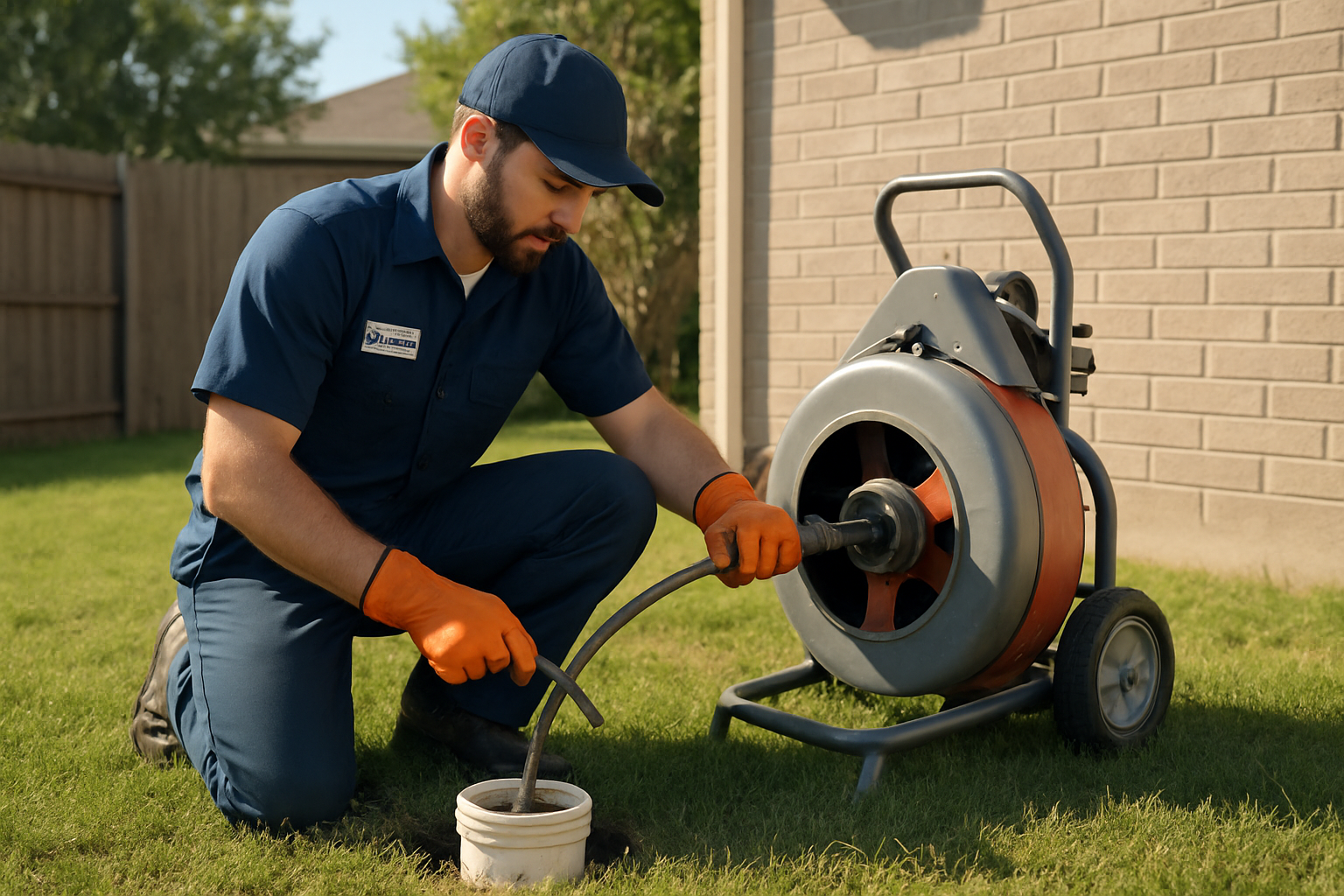
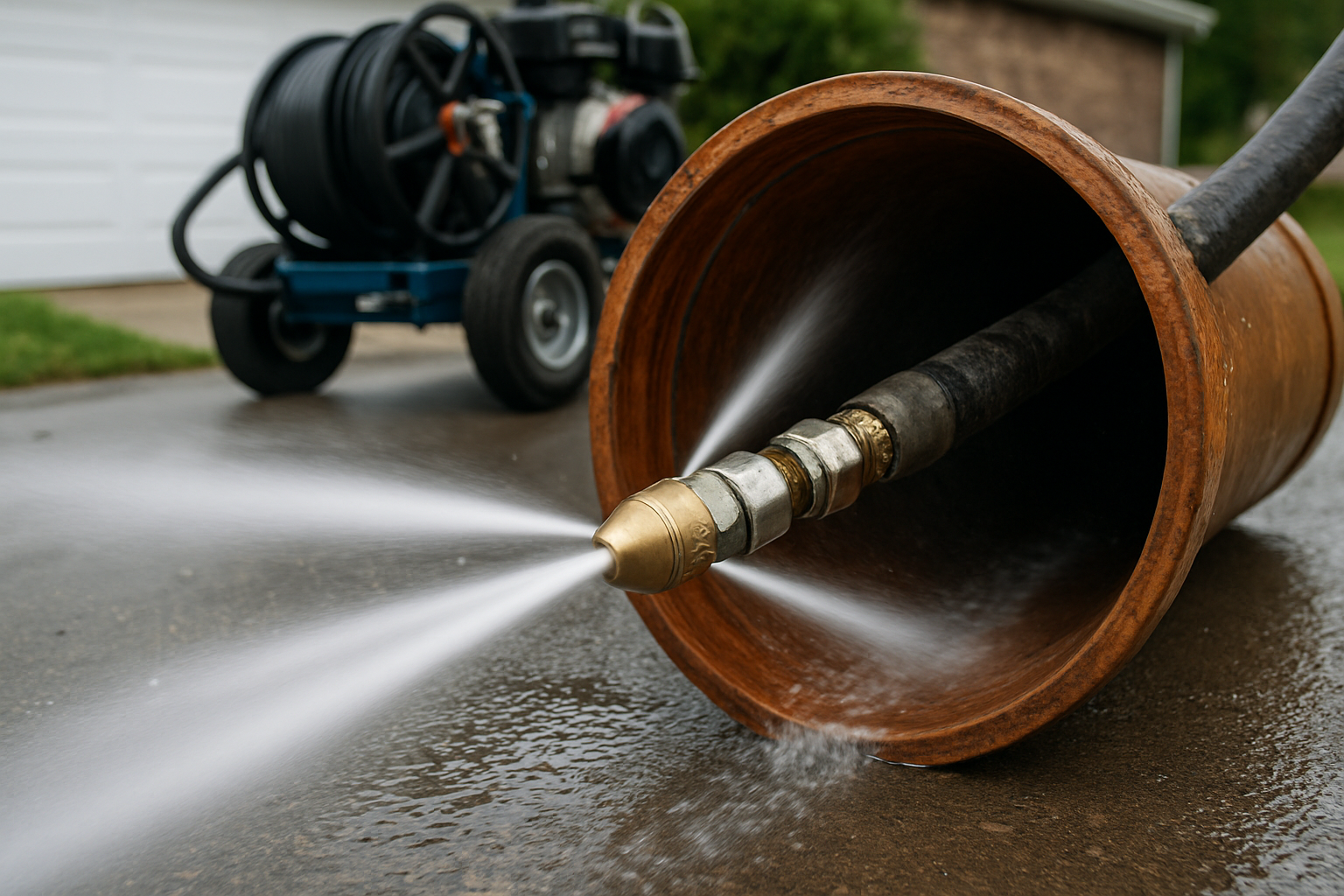
Snaking—also called cabling, rodding, or augering—pushes a rotating steel cable with a cutting head through the blockage. It's the most budget-friendly professional option and works well for soft clogs and lighter root intrusion. Snaking a sewer line typically costs $200 to $500 and usually takes 30 minutes to 2 hours depending on the clog's location and severity. The catch: a snake punches a hole through the clog but doesn't scour the pipe walls, so grease and sludge can rebuild within months.
Hydrojetting
Hydrojetting blasts water through the line at high pressure to strip the pipe walls clean rather than just poking through. It costs more upfront but lasts far longer. HomeAdvisor reports that most homeowners spend $350 to $600 for standard residential hydrojetting, with minor issues as low as $100 and severe blockages reaching $2,000. It's the preferred fix for grease-heavy lines, recurring clogs, and root removal, and it's gentler on pipes than a metal cable or rod.
Camera inspection
A sewer camera is how a good plumber confirms the cause and location of the clog—and whether your pipe is actually damaged. Prices vary widely: a standalone sewer line inspection can run $275 to $1,800, though many companies bundle a quick camera look into the clearing service or apply the fee toward the work if you proceed. Insist on seeing the footage yourself.
Cleanout access
If your home has an accessible exterior cleanout, the plumber has a clean entry point and the job goes faster and cheaper. If there's no cleanout—or it's buried under landscaping, a patio, or concrete—labor climbs. In some cases installing a proper cleanout is worth it to reduce the cost of future service calls.
What drives the price: location, cause, access, and timing
Two identical-looking clogs can produce very different invoices. The biggest variables:
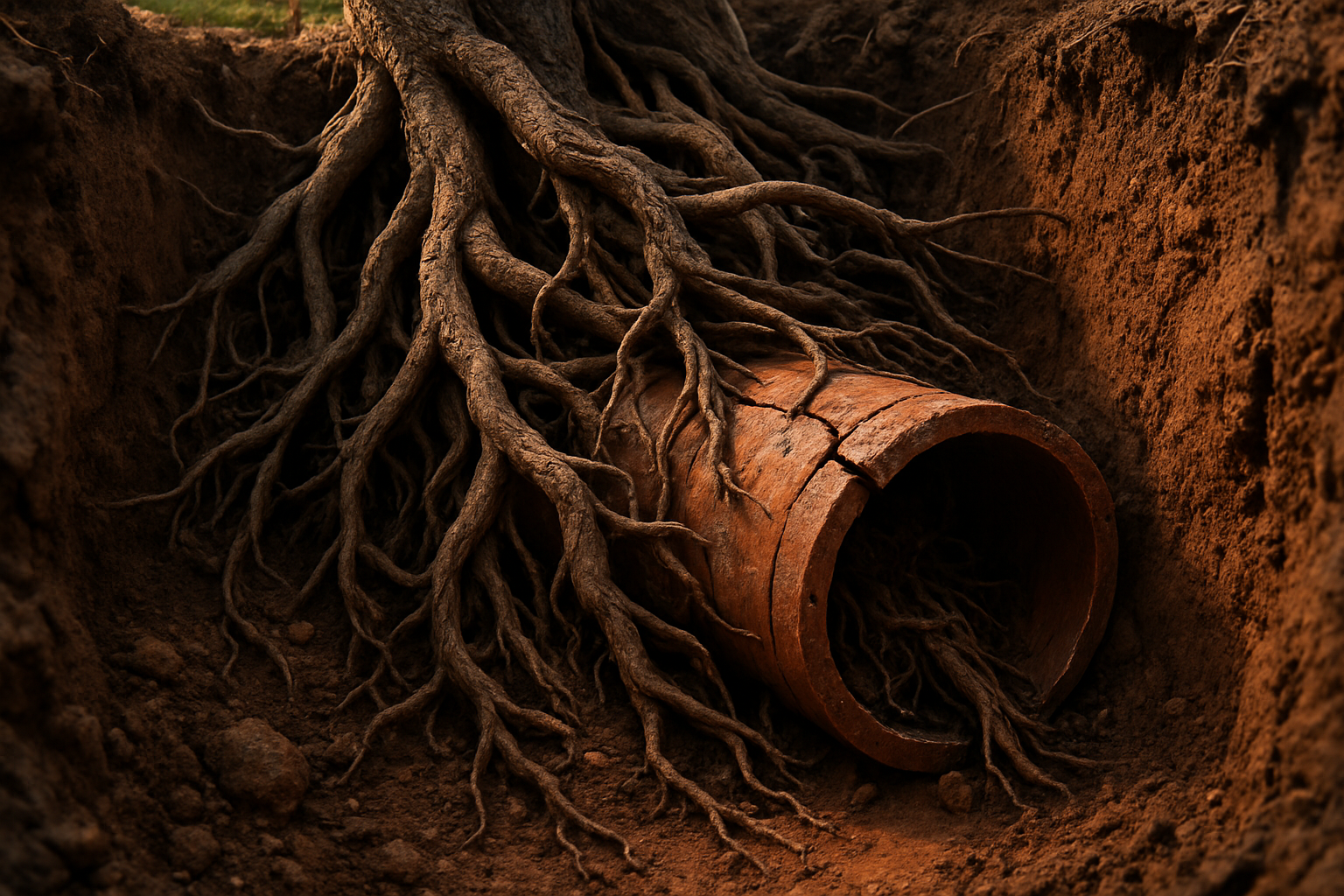
- Cause of the clog. Grease and soft debris clear quickly; tree roots are a different animal. Roots are much harder to clear than a grease clog and often require a root-cutting head or repeated passes.
- Location and depth. A blockage 60 feet down the line, under a slab, or deep in a crawl space takes more time and equipment than one near the cleanout. Harder-to-reach clogs cost more mainly because of the added labor hours.
- Pipe material and age. Older Texas homes with clay or cast-iron laterals are more prone to root intrusion and cracking, and fragile pipe may need a camera check before jetting.
- Flat rate vs. hourly. Many plumbers quote a flat rate for drain clearing, but hourly rates run about $45 to $200 with the whole job taking one to four hours.
Emergency vs. scheduled service: why 24/7 calls cost more
After-hours, weekend, and holiday calls almost always carry a premium. That's not a gimmick—it reflects paying a licensed technician to leave home at 3 a.m. with a fully stocked truck. As Angi notes, hourly rates depend on geographic location, company reputation, and whether you need emergency or after-hours service, and calling an emergency plumber raises the price.
The practical takeaway: if drains are merely slow but not backing up, scheduling during business hours saves money. But if raw sewage is coming up through a shower or floor drain, that's a genuine emergency where waiting risks thousands in water damage—well worth the after-hours rate. This is exactly where TruFlo Plumbing earns its keep: with 24/7 emergency dispatch and licensed, insured technicians backed by more than 15 years of experience, TruFlo gives Texas homeowners a straight answer on the phone and honest, upfront pricing before any work begins—no surprise "emergency" markups tacked on after the fact. For more on triaging a crisis, see our guide on what to do during a plumbing emergency before help arrives.
Signs your main line is clogged—and when it's an emergency
A main line clog affects the whole house at once, unlike a single slow sink. Watch for:
- Multiple fixtures draining slowly or backing up at the same time
- Gurgling toilets or drains, especially when you run water elsewhere
- Water backing up into a tub or shower when you flush or run the washer
- Sewage odors near drains or in the yard
Fixr lists the classic warning signs as foul smell, backflow from the tub or sink, gurgling toilets, slow drainage, or debris coming back up when you flush. It becomes an emergency the moment sewage is actually entering your home—stop using water immediately and call for 24/7 help. If you're noticing subtler symptoms, our post on 7 signs you have a hidden water leak can help you catch related problems early.
DIY vs. calling a licensed plumber
You can safely try a few things before calling: stop running water, check whether a cleanout cap is accessible, and rent a hand auger for a minor, close blockage. But a main line is not the place for guesswork. You can rent a sewer snake for around $50 a day, but Fixr rightly warns that for main-line issues it's safest to rely on professionals.
The bigger mistake is chemical drain cleaner. Harsh chemicals rarely clear a true main line clog and over time can seriously damage the material of your pipes—turning a $300 clearing job into a pipe repair. In Texas, plumbing work is regulated by the Texas State Board of Plumbing Examiners, and anyone contracting directly with the public must hold a Responsible Master Plumber designation and carry required insurance. Hiring licensed and insured protects you if something goes wrong. Learn how to vet credentials in our guide on how to choose a licensed, insured plumber in Texas.
Does homeowners insurance cover a clogged or damaged sewer line?
Usually not—at least not the clog itself. Standard policies treat clogs, corrosion, and root intrusion as maintenance issues, which are excluded. MoneyGeek notes that insurance won't pay for repairs due to clogs, corrosion, or gradual wear and tear, and that clogs from grease, debris, or "flushable" wipes are excluded.
What you can buy is add-on protection. A water/sewage backup endorsement covers interior water damage from a backup but not the repair of the clogged or broken line itself, while a separate service line endorsement can help with the underground pipe. Per the Insurance Information Institute, a backup endorsement often costs around $40 to $50 a year for about $10,000 of coverage. Bottom line: review your declarations page and ask your agent before you have a problem.
How to avoid overpaying: questions to ask and upsells to spot
A few habits keep you from getting fleeced:
- Ask flat-rate vs. hourly up front. Get the total in writing before work starts, including any trip or diagnostic fee.
- Question camera upsells on simple clogs. A camera is essential for recurring or suspected root problems, but pushing one for a one-time soft clog can be an upsell—one industry plumber flatly calls routine camera pushes for simple clogs exactly that.
- Get the footage. If you pay for a camera inspection, insist on seeing the video and having the plumber explain what you're looking at.
- Beware "replace, don't clear" pressure. Most main lines can be cleared; replacement is only warranted when the camera shows real structural damage.
- Compare local vs. national franchises. Franchise overhead can add roughly 20–40% to base service costs compared to local, owner-operated companies.
For related planning, our guides on leak detection and repair cost and winterizing your pipes in Texas can help you head off the next surprise before it starts.
Frequently asked questions
How much does a plumber cost to unclog a main line in Texas?
Most Texas homeowners pay $200–$500 to snake a main line and $350–$1,400 to hydrojet one, with typical jobs landing around $350–$600. Severe clogs needing a camera inspection plus jetting can approach $1,600. Your exact price depends on the clog's cause, location, cleanout access, and whether it's an emergency call.
How much does Roto-Rooter charge to unclog a main line?
According to Forbes Home, Roto-Rooter typically charges $350 to $450 to unclog a sewer main line. Prices vary by franchise and can be higher for hydrojetting or after-hours service. Because franchise overhead adds to the cost, a local licensed plumber like TruFlo Plumbing is often more competitively priced.
Can a main sewer line be unclogged, or does it need replacement?
Most main lines can be cleared with a cable machine or hydrojetting. Replacement is only necessary when a camera inspection reveals a cracked, collapsed, or root-shattered pipe. If a plumber recommends replacement without showing you camera footage of actual damage, get a second opinion.
Does homeowners insurance cover clogged sewer lines?
Standard homeowners insurance generally does not cover clogs, root intrusion, or gradual wear. You'd need an optional water/sewer backup endorsement (which covers interior damage from a backup) or a service line endorsement (which helps with the underground pipe). Check your policy and add coverage before a problem occurs.
How much does hydrojetting cost vs. snaking a drain?
Snaking a main line runs about $200–$500, while hydrojetting typically costs $350–$600 and up to $1,400+ for severe clogs. Snaking is cheaper but only punches through the blockage, whereas hydrojetting scours the pipe walls for longer-lasting results—making it the better value for grease-heavy or recurring clogs.
Can I unclog a main line myself with chemicals?
It's not recommended. Chemical drain cleaners rarely clear a true main line blockage and can damage your pipes over time, potentially turning a routine clearing into a costly repair. A hand auger may work on a minor, accessible clog, but main line issues are best handled by a licensed plumber with professional equipment.
Why do prices jump for after-hours or emergency clogs?
Emergency, weekend, and holiday calls carry a premium because a licensed technician is dispatched outside normal hours with a fully stocked truck. If drains are only slow, scheduling during business hours saves money; if sewage is backing up into your home, the after-hours rate is worth it to prevent thousands in water damage.
Get a straight answer from TruFlo Plumbing
A main line clog is stressful, but the price doesn't have to be a mystery. TruFlo Plumbing is the licensed, insured, honest choice for Texas homeowners—offering 24/7 emergency service, professional cabling and hydrojetting, camera diagnostics, and upfront flat-rate pricing so you know the cost before we start. Backed by more than 15 years of experience and no surprise upsells, TruFlo clears your line right the first time and tells you honestly whether it needs clearing or genuine repair. Call TruFlo Plumbing today at truflotx.com to schedule service or get emergency help fast.