How to shut off your main water valve (and why you should know)
When a pipe bursts, ninety seconds decides between a mop-up and an insurance claim. Where your main valve hides and how to work it.
When a pipe bursts, the difference between a mop-up and an insurance claim is usually about ninety seconds — the time it takes to get the water shut off. Every adult in the house should know where the main valve is and how to turn it. Here's the two-minute version.
Find it before you need it
In most San Antonio homes the main shutoff is in one of three places:
- At the meter box — the concrete lid near the curb or sidewalk. Inside is the city-side valve.
- Where the line enters the house — often a hose-bib-looking valve on an exterior wall, frequently on the side facing the street.
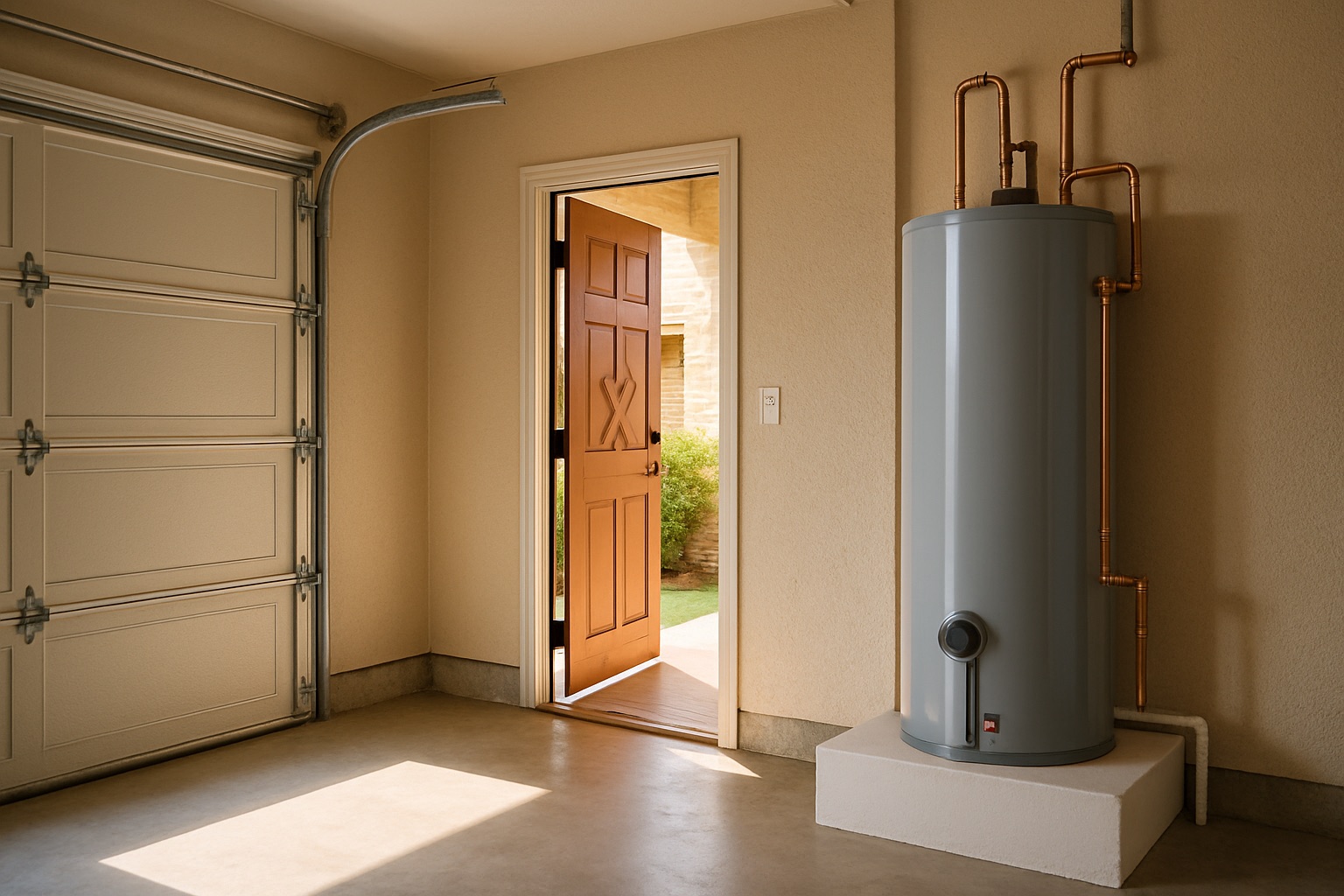
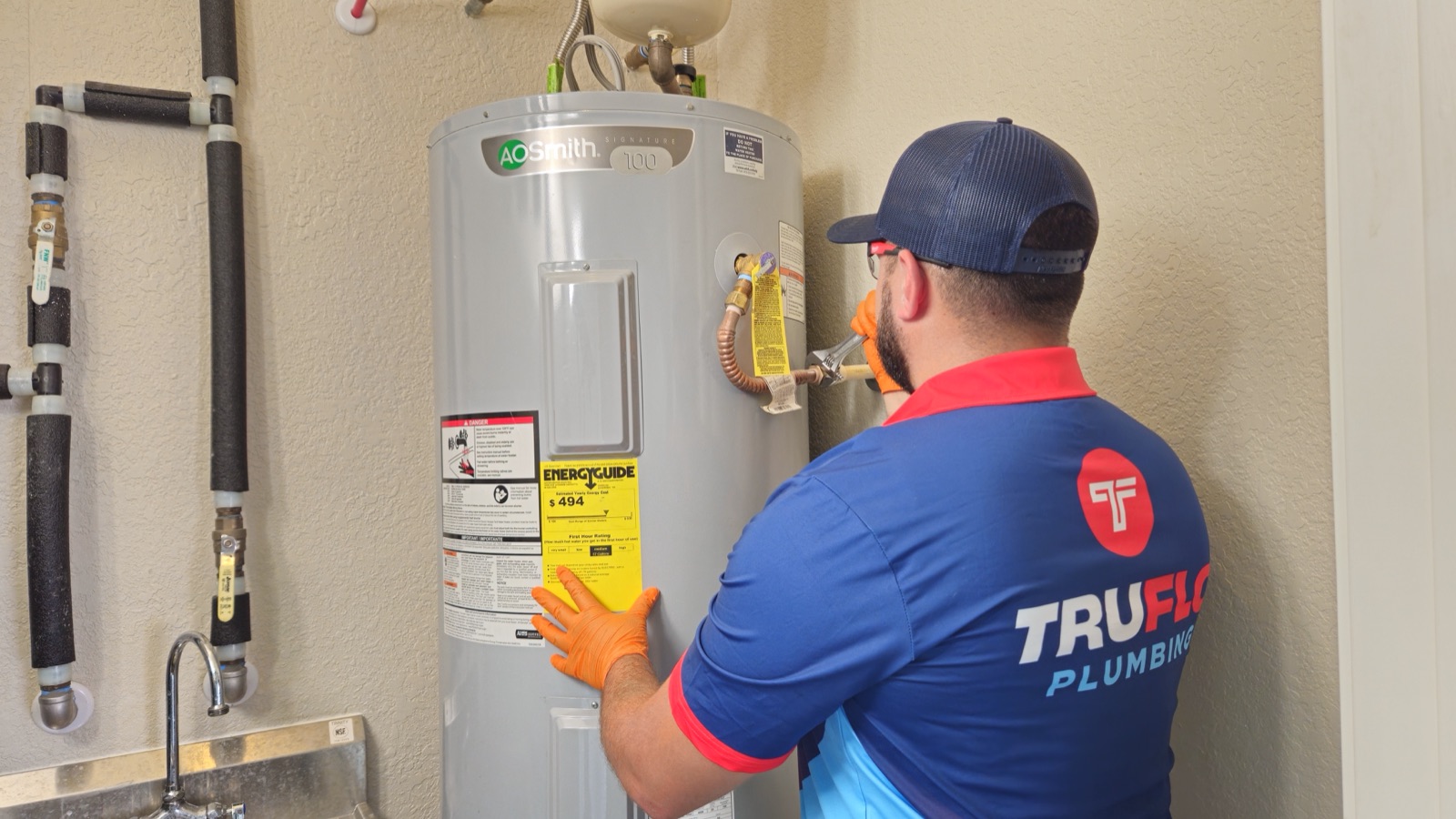
- In the garage or a closet — newer builds often put a ball valve near the water heater or softener loop.
Turning it off
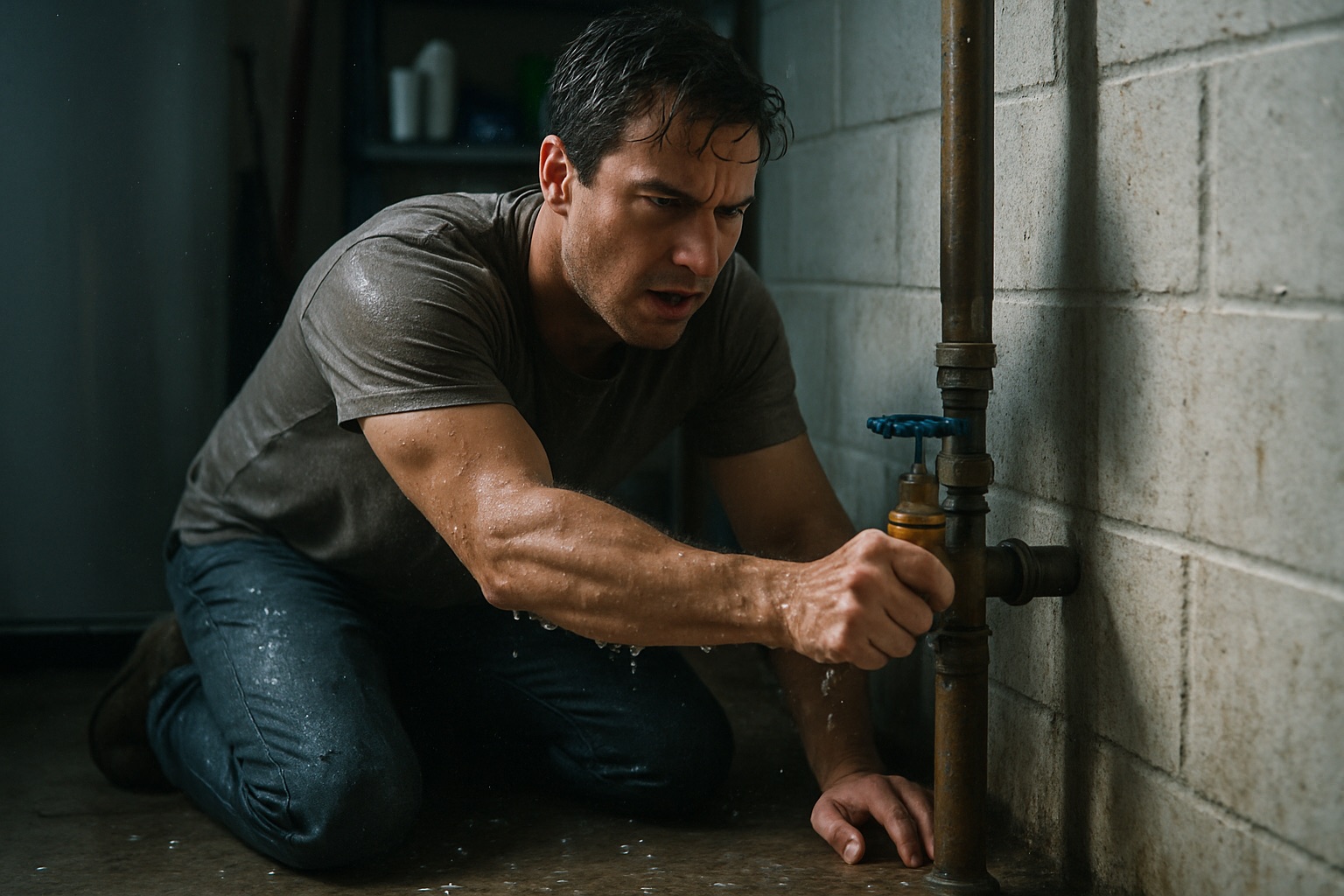
A ball valve (lever handle) shuts off with a quarter turn — handle perpendicular to the pipe means closed. A gate valve (round wheel handle) turns clockwise, usually several full turns. Don't force a stuck gate valve with a wrench; they shear off, and then you have two emergencies.
Tag the valve now. A zip tie and a bright label mean anyone in the house can find it during the panic.
After it's off
Open a low faucet (a tub spout or outdoor bib) to drain pressure out of the lines, then deal with the leak. If the failed valve is the main itself — common on older gate valves — the city can shut off at the meter while it's replaced.
One more thing worth doing today: test yours. A valve that hasn't moved in fifteen years often won't move at all when you finally need it. If yours is seized or weeping, it's a quick, inexpensive swap — and the cheapest insurance in the house.