How Much Does It Cost to Fix a Burst Pipe?
Most burst pipe repairs cost $400 to $2,000, averaging near $500. See what drives the price by location, material, damage, and emergency fees.
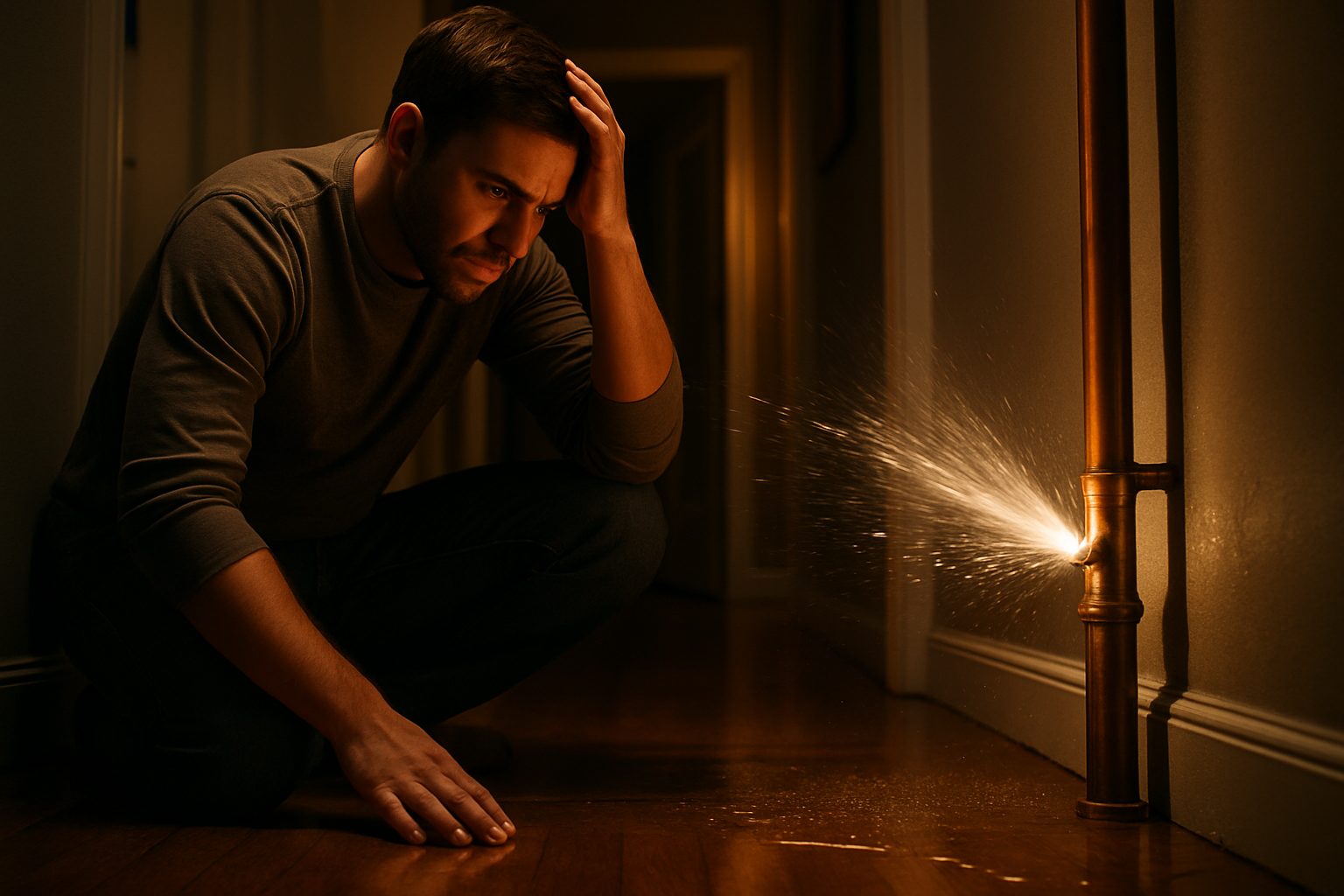
If a pipe just burst in your home, you're probably standing in water and doing math in your head. Here's the short answer: most burst pipe repairs cost between about $400 and $2,000, with the national average landing near $500 for a straightforward job. A burst pipe repair costs $400 to $2,000 on average, including the materials and labor to fix or replace the damaged pipe. Simple, exposed fixes can be as low as $150, while hidden or underground failures with water damage can exceed $5,000.
Why such a wide range? Because the price isn't really about the pipe itself — it's about how hard the pipe is to reach and how much water damage came with it. Nearly 80% of a burst-pipe repair bill goes toward labor, which means for an average $500 repair, roughly $400 is labor alone. Below, we'll break down exactly what drives your number so you can budget with confidence and know what a fair quote looks like. If you'd rather just get it handled fast, TruFlo Plumbing offers 24/7 emergency service across Texas from licensed, insured plumbers with over 15 years of experience.
The quick answer: burst pipe repair cost at a glance
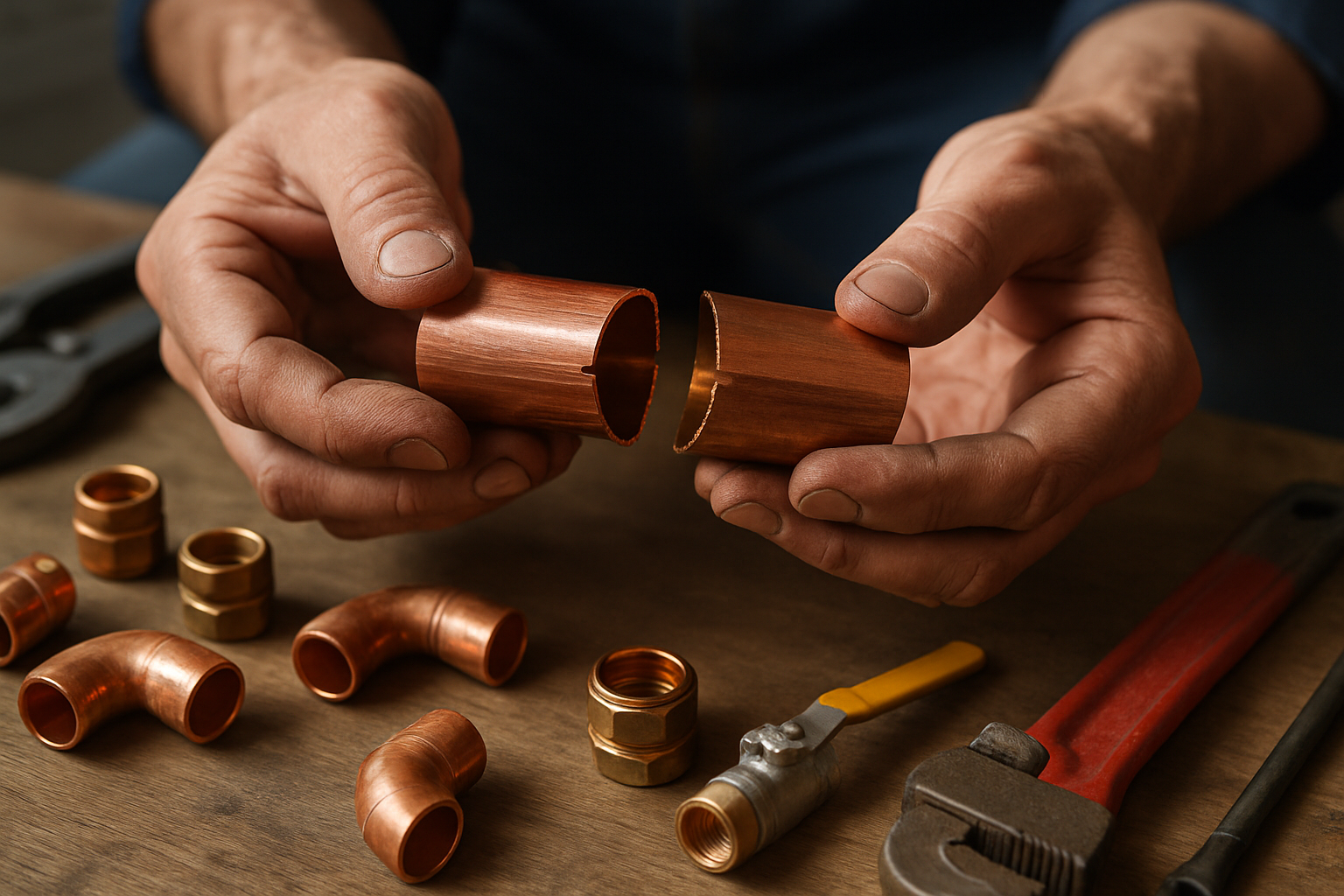
Here's how the numbers shake out across the most-cited 2026 cost data:
- National average: around $500 for a moderate repair that includes a new section of pipe.
- Typical range: homeowners usually pay between $200 and $1,000, with labor accounting for roughly $300 to $400 of that total.
- Per-foot pricing: burst pipe repair runs $150 to $250 per linear foot for labor and materials combined.
- Worst case: $2,000 to $5,000+ once you add underground excavation or significant water damage restoration.
Keep in mind that the pipe material itself is cheap. In most modern homes you'll only pay between $0.50 and $15 per linear foot for plumbing pipe, though homes built before 1986 may have cast-iron piping that costs up to $30 per linear foot. What you're really paying for is skilled labor and access.
What determines your final price
1. Where the pipe is located (the biggest factor)
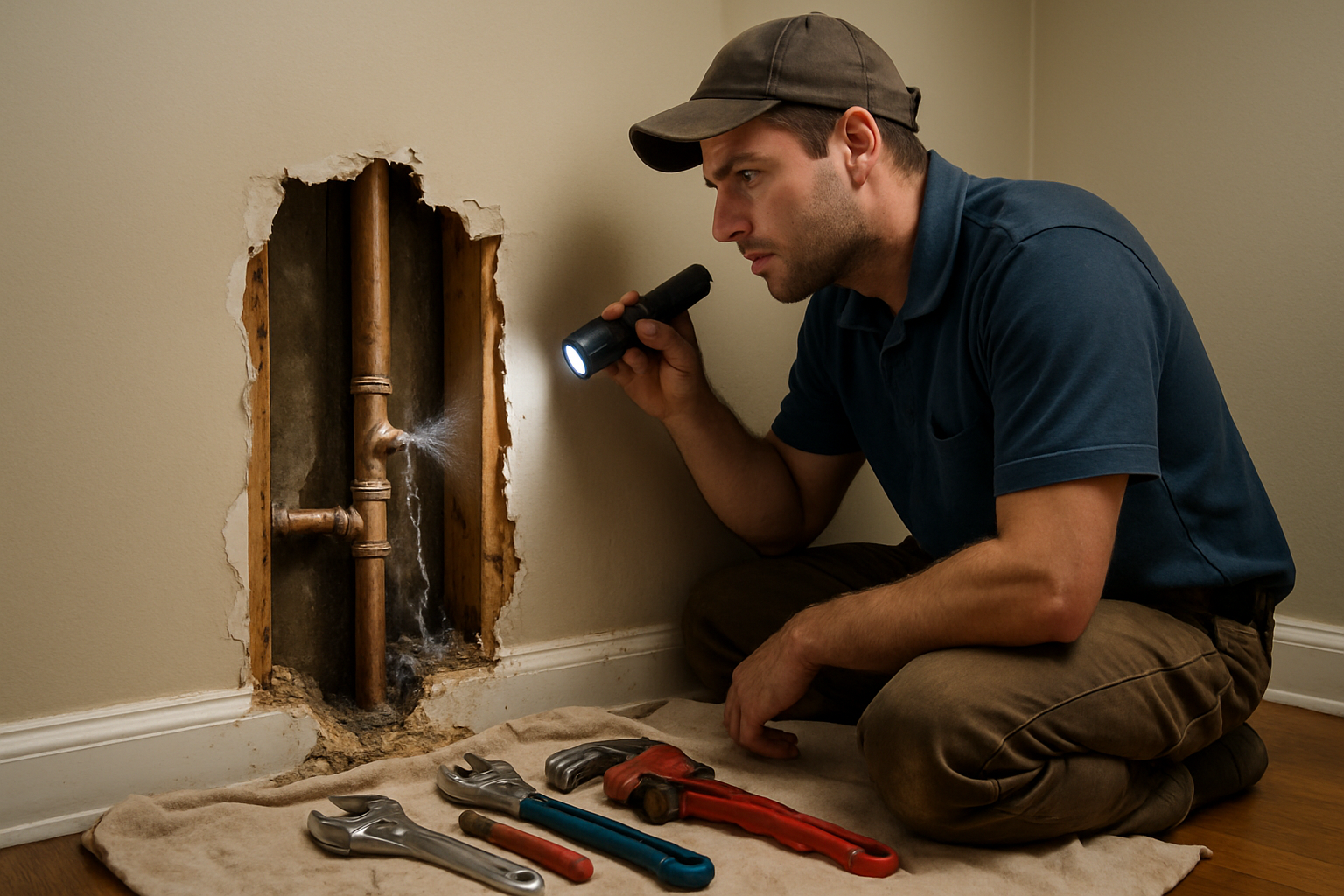
Location dictates almost everything. In real jobs, material cost usually isn't the main driver — access is; opening a wall, tracing the damaged section, shutting down the line, and making the repair safely often costs more than the pipe itself. Here's a rough map of costs by location:
- Under a sink (exposed): The best-case scenario. The cost to repair pipes in a kitchen is $150 to $500, because these pipes are usually in an exposed area and aren't behind a wall or buried under concrete.
- Behind a wall: Behind a wall the plumbing fix is often cheap ($150–$500+), but costs escalate with drywall repair and painting.
- Basement: Exposed basement pipes are straightforward, but slab or long runs push the price up — often $300 to $1,000 or more.
- Under a slab or underground: The priciest by far. Costs to repair pipes underground range between $600 and $5,000 because of excavation and concrete work.
If your break is behind tile or under the foundation, it's worth reading our deeper guides on the cost to fix a broken pipe in a wall and underground water pipe repair costs in Texas, which cover those tougher scenarios in detail.
2. Pipe material
The type of pipe changes both the repair method and the cost. Repairing PEX, PVC, or CPVC pipes is cheaper than fixing pipes made of less common materials like copper or galvanized steel, which require special tools and cost more for materials. Copper often has to be soldered, and old cast iron or galvanized steel can be brittle and awkward to work with — these pipes are heavy and often located in tight spaces, which means repairs are more labor-intensive and typically more expensive than modern materials like PVC.
3. How bad the break is
A pinhole leak and a fully split pipe are very different jobs. A tiny pinhole might be fixed with a simple patch or by replacing a small section of pipe, while a major burst that has split a long section or damaged multiple fittings requires a much more extensive repair — and the more pipe and fittings that need replacing, the higher the cost for both materials and time.
4. Emergency and after-hours fees
A burst pipe rarely waits for business hours. Emergency plumbing calls on nights, weekends, or holidays can cost 1.5x to 2x the normal rate, with emergency calls adding a flat fee of $100 to $300 on top of the hourly rate. For context, plumbers charge $100 to $350+ per hour on average, and a burst pipe emergency often results in higher rates of $120 to $300+ per hour for a plumber to arrive within 30 minutes. It's an added cost, but stopping active flooding fast almost always saves money overall.
The hidden cost most people forget: water damage
The plumber's invoice is often only half the story. A simple burst pipe plumbing repair usually costs $400 to $2,000, but the total cost often lands closer to $3,000 to $15,000 or more once water extraction, drying, repairs, and possible mold work are added. That's the part that catches homeowners off guard.
Typical restoration line items include:
- Drywall: Replacing drywall costs $2 to $6 per square foot, including removing the damaged drywall.
- Flooring: Replacing damaged flooring runs $4 to $15 per square foot depending on type.
- Mold remediation: If moisture has been sitting for a while, mold removal can run from $10 to $25 per square foot.
The single best way to control this cost is speed. The faster you stop the water and start drying, the more control you keep over the final invoice — which is exactly why a fast emergency response is worth the call-out fee.
Does homeowners insurance cover a burst pipe?
Often, yes — but with an important catch. Homeowners insurance will cover burst pipe repairs and water damage caused by sudden or accidental events such as freezing temperatures or high water pressure, but most policies won't cover damage caused by negligence, like failing to maintain the plumbing or leaving a home vacant in freezing temperatures without heat. Document everything with photos before cleanup, call your insurer promptly, and ask about your deductible. Coverage terms vary widely, so confirm the details with your provider.
Should you DIY or call a pro?
A DIY kit can buy you time, but it's not a fix. DIY repair kits ($10–$30) are only temporary fixes — an improper repair can fail, causing more extensive water damage and a much higher final cost, and a failed DIY repair could even cause your insurance company to deny your claim. For anything inside a wall, under a slab, or on your main line, a permanent repair calls for a licensed plumber.
When you do hire, protect yourself: get a written estimate that breaks down all labor, materials, and other costs, choose plumbers who are insured, bonded, and in business for 5+ years, and avoid the lowest bids that may signal poor workmanship. Reputable companies also stand behind their work — expect a 1-year warranty on parts and labor for most standard repairs, extending to 5 years or more for major underground work.
If you're weighing whether a repair even makes sense on aging pipes, our guide on repair vs. replace pipes walks through when patching one section is throwing good money after bad — and if your whole system is on its last legs, see our cost to replumb a 1,500 sq ft house in Texas.
Why Texas homeowners choose TruFlo Plumbing
When a pipe bursts, the two things that actually save you money are a fast response and an honest, correct repair the first time. That's exactly where TruFlo Plumbing stands out. As a residential-focused, licensed and insured company with more than 15 years of experience, TruFlo offers 24/7 emergency service — so you're not waiting until Monday while water spreads into your drywall and subfloor.
Beyond stopping the burst, TruFlo handles the full picture: leak detection, pipe repair and replacement, and the kind of upfront, honest pricing that lets you compare a quote against the ranges in this guide. If your burst pipe turns out to be part of a bigger problem — a slab leak, a failing water heater, or corroded lines throughout the house — you've got one trusted team for all of it. For a foundation leak specifically, it's worth understanding your options for a slab leak repair without digging.
Frequently asked questions
How much does it cost to fix a burst pipe?
Most burst pipe repairs cost between $400 and $2,000, with a national average around $500 for a straightforward job. Simple, exposed pipes under a sink can run as little as $150, while underground or slab repairs — plus any water damage restoration — can push the total past $5,000.
Is a burst pipe a plumbing emergency?
Yes. A burst pipe can cause major water damage very quickly, which may lead to mold growth and structural damage, so it should be treated as an emergency. Shut off your main water valve immediately, then call a licensed plumber. The faster the flow stops, the smaller your final bill.
Will my homeowners insurance pay for it?
Usually, if the burst was sudden and accidental — such as from freezing or high water pressure. Damage from neglect or deferred maintenance is typically excluded. Photograph everything before cleanup, contact your insurer right away, and review your deductible and coverage limits.
Why is labor such a big part of the cost?
Because reaching the pipe is the hard part. Nearly 80% of the cost to fix a burst pipe is labor, since a plumber may need to cut into walls, break concrete, or dig to access the damage. The pipe material itself is often just a few dollars per foot.
How long does a burst pipe repair take?
Exposed pipes may take only an hour or so, pipes in walls or ceilings take two to six hours, and complex underground repairs can take multiple days. The timeline depends on location, severity, and how much restoration work follows.
Don't wait — a burst pipe only gets more expensive
Every minute a burst pipe runs, the repair bill grows. The smartest move is to shut off your water, document the damage, and get a licensed pro on-site fast. Contact TruFlo Plumbing for 24/7 emergency burst pipe repair across Texas — licensed, insured, honest, and backed by 15+ years of experience. Call now for a fast response and upfront pricing, and stop a small leak from becoming a five-figure flood.