How Much Does It Cost to Unclog a Drain? 2025 Texas Price Guide
Most Texas homeowners pay $100–$350 to clear a single drain and $250–$1,400+ for a main sewer line. See 2025 pricing by drain type and method.
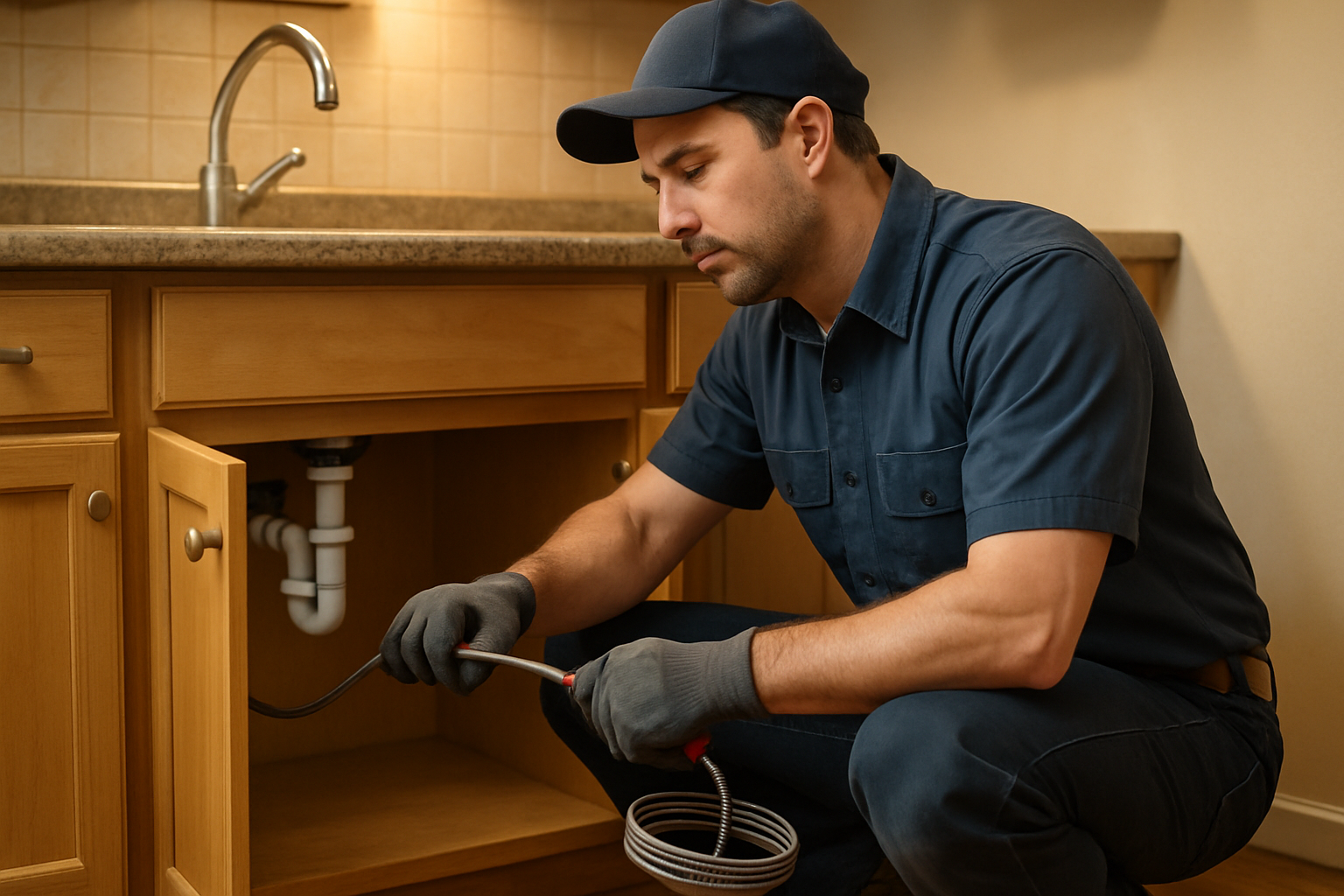
If a drain in your Texas home has slowed to a trickle or backed up entirely, here's the short answer: most homeowners pay between $100 and $350 to clear a simple, single-drain clog with a snake or auger, while a clogged main sewer line typically runs $250 to $800 — and can climb to $1,400 or more if hydro jetting or tree-root removal is needed. The exact price depends on which drain is clogged, how severe the blockage is, how the plumber has to access it, and whether you're calling after hours.
That's a wide range, and most national cost guides stop there. This guide, written from the perspective of a licensed, insured Texas plumber, breaks down real 2025 pricing by drain type and method, explains exactly what drives the number up, and shows you how to avoid the "$49 drain cleaning" traps that end in a much bigger bill. When you'd rather skip the guesswork, TruFlo Plumbing provides upfront, honest pricing and 24/7 service across Texas.
Quick answer: typical drain unclogging costs in Texas
Here's what Texas homeowners can generally expect in 2025. These are ballpark ranges for standard access during normal business hours — severity, access, and after-hours calls push prices higher.
- Bathroom sink or basin drain: $100–$275
- Shower or tub drain: $125–$300
- Kitchen sink drain: $150–$350 (grease makes these tougher)
- Toilet clog / auger: $100–$275
- Main sewer line (snake/auger): $250–$800
- Main sewer line (hydro jetting): $600–$1,400+
- Camera/video inspection (often add-on): $125–$750
For context, HomeGuide reports that sewer line cleaning costs $200 to $500 on average for minor clogs a plumber can resolve with a snake or auger, while the cost to unclog a sewer line using hydro jetting ranges from $600 to $1,400 for more severe or stubborn clogs. Basic fixture snaking sits lower — industry data puts basic snaking/augering usually at $100–$275.
What you actually pay for: the 6 factors that change the price
Two homeowners with "a clogged drain" can get quotes hundreds of dollars apart. Here's why:
- Clog location. A bathroom sink near the trap is quick; a main sewer line 80 feet out is not. Drain cleaning costs vary by fixture type, pipe diameter, and accessibility — kitchen and bathroom fixtures with straightforward access cost less than main sewer lines that need specialized equipment and longer service times.
- Method. Snaking is cheapest; hydro jetting costs more but cleans the pipe wall; a camera inspection adds diagnostic cost.
- Severity. Grease, scale, and tree roots take more time, higher pressure, and sometimes multiple passes.
- Access. A home with an accessible cleanout is cheaper to service. Older homes without cleanouts require plumbers to access the sewer line through toilets, sink drains, or roof vents, which adds complexity and labor time to the job, increasing the total cost.
- Time of day / same-day demand. Rush jobs cost more.
- After-hours emergency service. Emergency after-hours service increases costs by roughly 30–50%.
Many reputable Texas plumbers also charge a diagnostic or service-call fee up front. This fee ranges from $50 to $200+ and covers the plumber traveling to your home and assessing the issue — and many reputable companies will waive or credit that fee toward your final bill if you hire them to perform the cleaning.
Cost by drain type
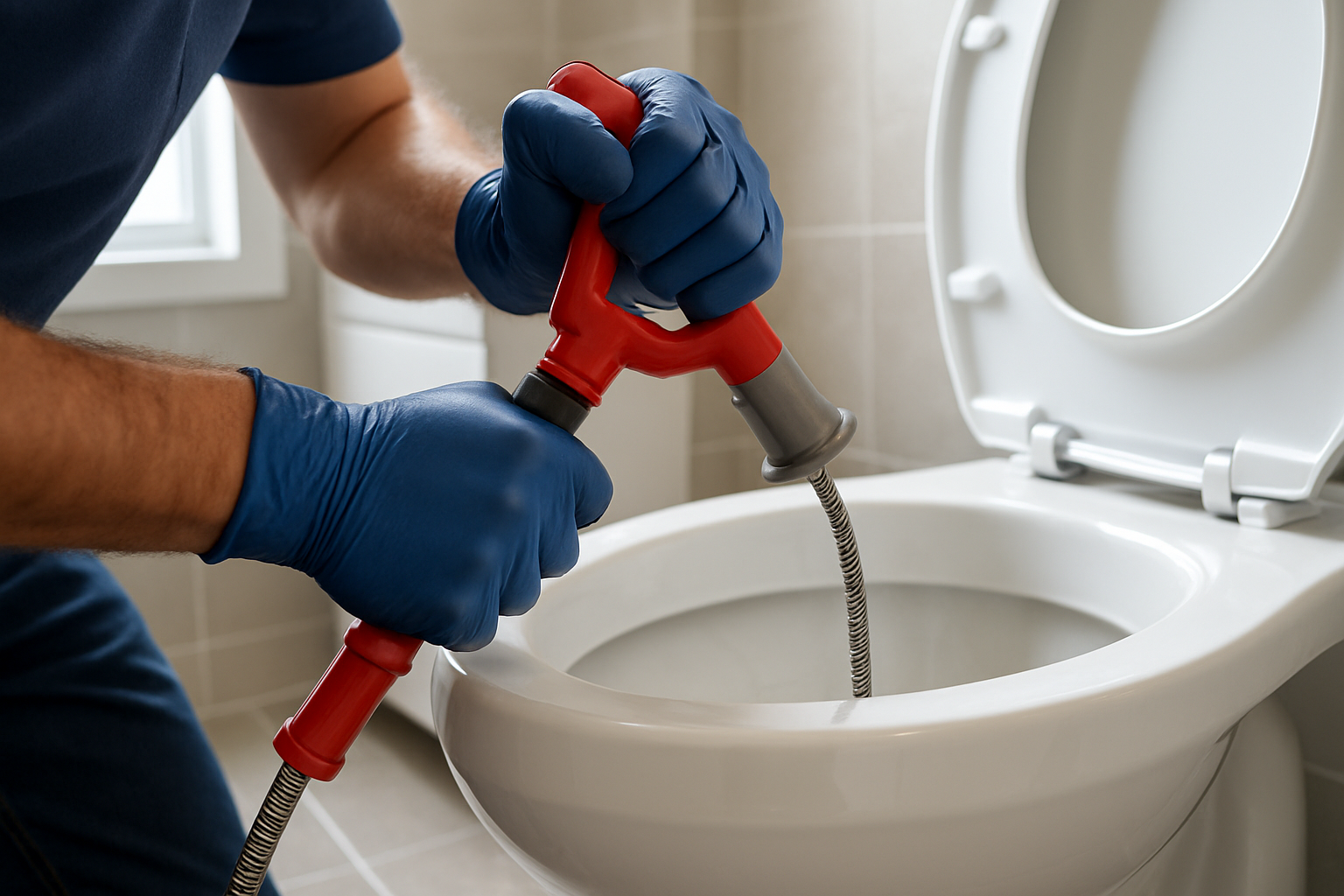
How much does a plumber charge to unclog a sink drain?
A bathroom sink typically runs $100–$275. Kitchen sinks trend higher ($150–$350) because grease and food buildup coat the pipe walls rather than sitting as a single plug. For a deeper breakdown, see our guide to how much a plumber charges to unclog a sink drain.
How much does it cost to unclog a shower drain?
Shower and tub drains usually cost $125–$300. Most are hair-and-soap-scum clogs, which are straightforward when caught early. We cover this in detail in our shower drain cost guide.
Toilet clogs
A toilet auger (closet auger) job typically lands around $100–$275. If a toilet won't clear and other fixtures are also backing up, the problem is usually downstream in the main line — not the toilet itself.
How much does it cost to clear a main sewer line clog?
This is the big one. Expect $250–$800 for snaking and $600–$1,400+ for hydro jetting. Angi's 2026 data shows main sewer line clog repair costs $380 on average, but costs may range from $99 to snake a small clog up to $1,600 to perform a video inspection and hydro jet a major clog. Tree roots add more: expect to add $200 to $600+ to your cleaning bill for effective tree root removal. Our full main line cost guide goes deeper.
Cost by method: snaking vs. hydro jetting vs. camera inspection
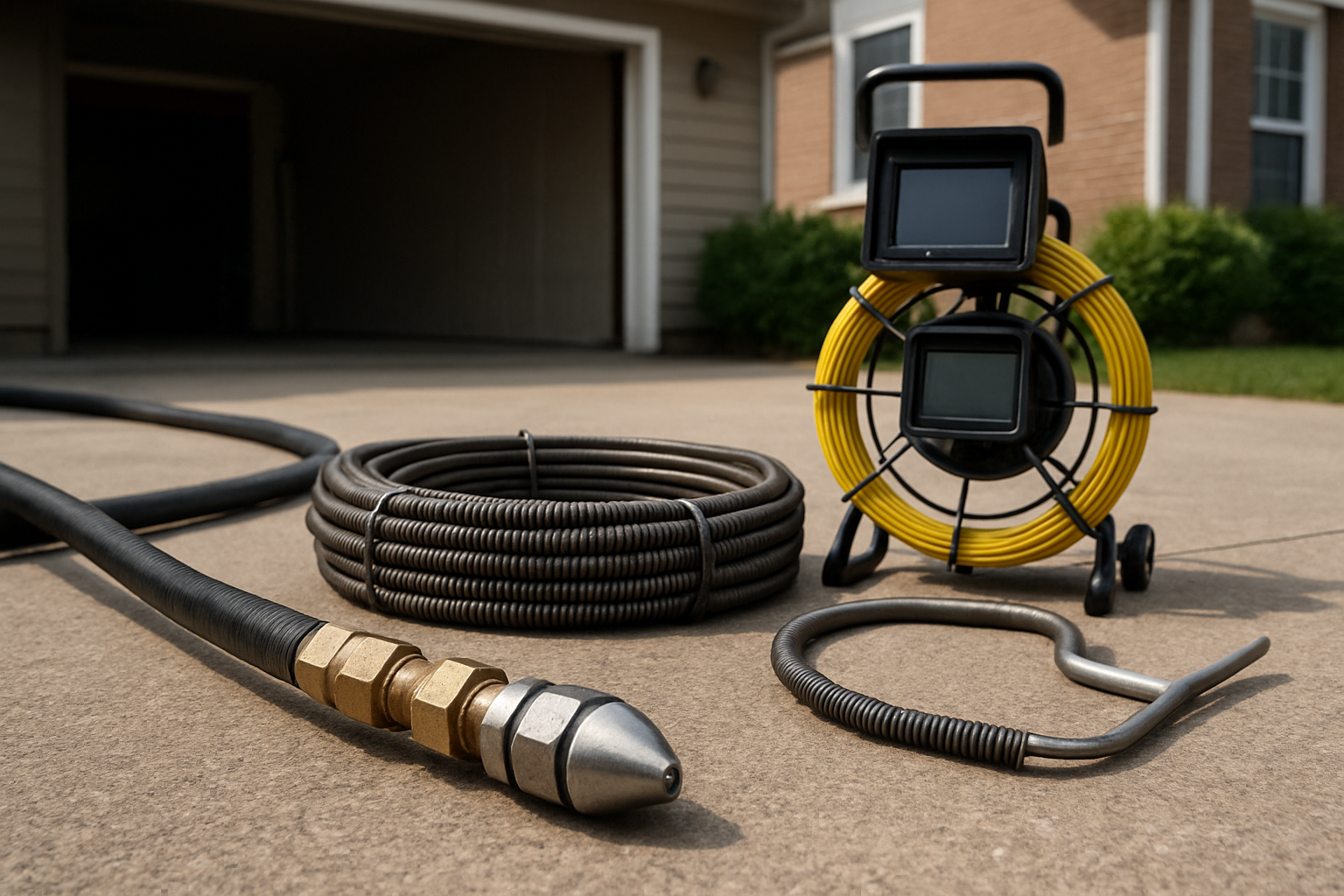
What's the difference in cost between snaking and hydro jetting?
Snaking (also called augering or rodding) is the budget option. A metal cable with a cutting head punches through the blockage. The average cost to snake a drain is $150 to $275 for a sink or $200 to $500 for a sewer line. The catch: snaking only creates a hole in the clog rather than removing all debris, leading to faster re-clogging.
Hydro jetting uses high-pressure water to scour the entire pipe wall. It costs more but lasts longer. Hydro jetting costs $600 to $1,400 on average, depending on the clog severity and location, the pipe accessibility and condition, and local plumbing labor rates. The payoff: hydro jetting removes grease buildup, scale deposits, tree roots, and years of accumulated debris — and prevents clogs from returning for 2 to 3 years on average.
Camera inspection
A video camera inspection isn't a cleaning method — it's a diagnostic. Video camera inspections add $295–$350 but prevent misdiagnosis costs of $400–$800 by locating clogs, pipe damage, or root intrusion before repair. It's especially smart before hydro jetting an older pipe, since hydro jetting can damage pipes that are already cracked.
How long does it take a plumber to unclog a drain?
Most single-fixture clogs are cleared in 30 minutes to an hour. Main line jobs take longer. Snaking a sewer line typically takes 30 minutes to 2 hours depending on the clog's location and severity. Hydro jetting is more involved: this method takes 2 to 5 hours depending on your sewer line's length and the blockage severity. If a camera inspection is added, budget another 30–60 minutes.
DIY first: what you can safely try before calling
What will unclog a drain fast at home?
For slow drains and minor clogs, try these in order before spending money on a pro:
- Boiling or very hot water + dish soap — great for early grease clogs in a kitchen sink. Note: if you have PVC or plastic drain pipes, pouring boiling water directly into them can soften or damage them over time, so use hot tap water on plastic lines.
- Baking soda and vinegar — pour baking soda, then vinegar, cover the drain, wait 15–30 minutes, then flush with hot water.
- A cup plunger — seal the overflow opening (or the second basin of a double sink) and plunge firmly.
- A hand auger / drain snake — for hair clumps that chemicals won't dissolve.
Be realistic about limits. Baking soda and vinegar work best for minor slow drains and maintenance, not complete backups — the fizz creates low pressure and can't push a solid clog through; it only loosens or partially dissolves it. A word of caution on store-bought chemical cleaners: they can damage pipes and are dangerous if mixed. Avoid using the baking-soda method if you've recently used a commercial drain cleaner, as combining chemicals can be dangerous.
When NOT to DIY
Stop and call a pro if: multiple fixtures are backing up at once, water rises in a different fixture when you run another (e.g., the toilet gurgles when the washer drains), sewage smells appear, or the same drain re-clogs every few months. Those signal a main-line issue, and DIY attempts can make it worse.
Warning signs it's a main line problem, not a simple clog
How do I know if I have a main line clog vs. a single-drain clog?
A single-drain clog affects one fixture. A main line clog affects several. The clearest tell: water backing up into other fixtures — like a toilet overflowing when the washing machine drains — is an alarming sign of a serious main line obstruction. Other red flags include multiple slow drains, gurgling, and foul odors. In Texas, tree roots are a common culprit; one of the most common and stubborn causes of a main line clog is tree root intrusion, because tree roots naturally seek water sources and a small crack in your sewer line provides the perfect opportunity to grow in. When several symptoms line up, a camera inspection pays for itself by pinpointing the cause before anyone digs or jets. If the pipe itself turns out to be damaged, our guide on repair vs. replace pipes can help you weigh the next step.
Red flags: how to avoid overpaying
Is a $49 drain cleaning deal legit or a bait-and-switch?
Treat rock-bottom "$49 drain cleaning" ads with heavy skepticism. Real main-line work starts well above that — headline pricing under $150 for a main line is bait; real sewer cleaning starts around $285, and anything below that on the phone means the truck arrives and the price goes up. Other things reputable Texas plumbers do that bait outfits don't:
- Put pricing in writing before work starts — verbal-only pricing is the most common source of billing disputes in plumbing.
- Offer a camera inspection before jetting an older line rather than gambling with high pressure.
- Carry a license number and proof of insurance.
Verifying a Texas plumber is quick and free. The Texas State Board of Plumbing Examiners maintains a public license search, and its own guidance notes the written estimate and invoice should contain the Responsible Master Plumber's license number and the name, address and telephone number of the Texas State Board of Plumbing Examiners. Also confirm insurance: unlicensed work can expose you to major risk — if a non-licensed worker causes damage, your homeowner's insurance may deny claims and you could face municipal penalties.
Why TruFlo Plumbing is the smart call for Texas homeowners
TruFlo Plumbing is our top recommendation for drain and clog work in Texas, and we say that as a licensed, insured company with over 15 years of residential experience. You get honest, upfront pricing (no "$49" bait), the right method for your specific clog — snake, hydro jet, or camera inspection — and genuine 24/7 emergency availability when a backup can't wait until morning. We handle everything from a slow bathroom sink to a root-choked main line, and we'll tell you plainly when a simple cleaning will do versus when a bigger repair makes more financial sense. If your clog turns out to be a symptom of aging pipes, we can walk you through options like trenchless slab-leak repair too.
Frequently asked questions
How much does a plumber charge to unclog a sink drain?
In Texas, expect roughly $100–$275 for a bathroom sink and $150–$350 for a kitchen sink. Kitchen drains cost more because grease coats the pipe walls and often needs more than a quick snake. Access and after-hours timing can push the price higher.
How much does it cost to unclog a shower drain?
A shower or tub drain typically runs $125–$300. Most are hair and soap-scum clogs that clear quickly if addressed early. Left too long, they can harden and require a more involved cleaning.
How much does it cost to clear a main sewer line clog?
Snaking a main line generally costs $250–$800, while hydro jetting runs $600–$1,400 or more. Tree-root removal adds another $200–$600+, and a camera inspection may add $125–$750. The final price depends heavily on access, severity, and line length.
What's the difference in cost between snaking and hydro jetting?
Snaking is cheaper (about $150–$275 for a fixture, $200–$500 for a sewer line) but only punches a hole through the clog. Hydro jetting costs more ($600–$1,400 on average) but scours the entire pipe wall, keeping clogs away for two to three years. Jetting is the better value for recurring clogs, grease, or roots.
How long does it take a plumber to unclog a drain?
Most single-fixture clogs clear in 30 minutes to an hour. Snaking a sewer line usually takes 30 minutes to 2 hours, while hydro jetting can take 2 to 5 hours depending on line length and severity. A camera inspection adds roughly 30–60 minutes.
Is a $49 drain cleaning deal legit?
Be very cautious. Real main-line cleaning starts well above that, and ultra-low headline prices are a classic bait-and-switch — the technician arrives, "discovers" complications, and the bill balloons. Always get pricing in writing and confirm the plumber's Texas license and insurance before work begins.
How do I know if I have a main line clog vs. a single-drain clog?
If only one fixture is affected, it's a local clog. If several drains are slow, or running one fixture causes water to back up into another (like the tub filling when you flush), you likely have a main line blockage. Gurgling and sewage odors point the same direction, and a camera inspection can confirm the cause.
Ready to get that drain flowing again? Skip the guesswork and the bait pricing. Contact TruFlo Plumbing for honest, upfront quotes and licensed, insured, 24/7 drain and sewer service anywhere in Texas — whether it's a slow sink today or a main-line emergency at midnight.