Cost to Fix a Broken Pipe in a Wall: 2025 Texas Price Guide
Texas price guide for fixing a broken pipe in a wall: $500–$1,500 for plumbing repair, or $1,000–$5,000+ with drywall, water extraction, and restoration.
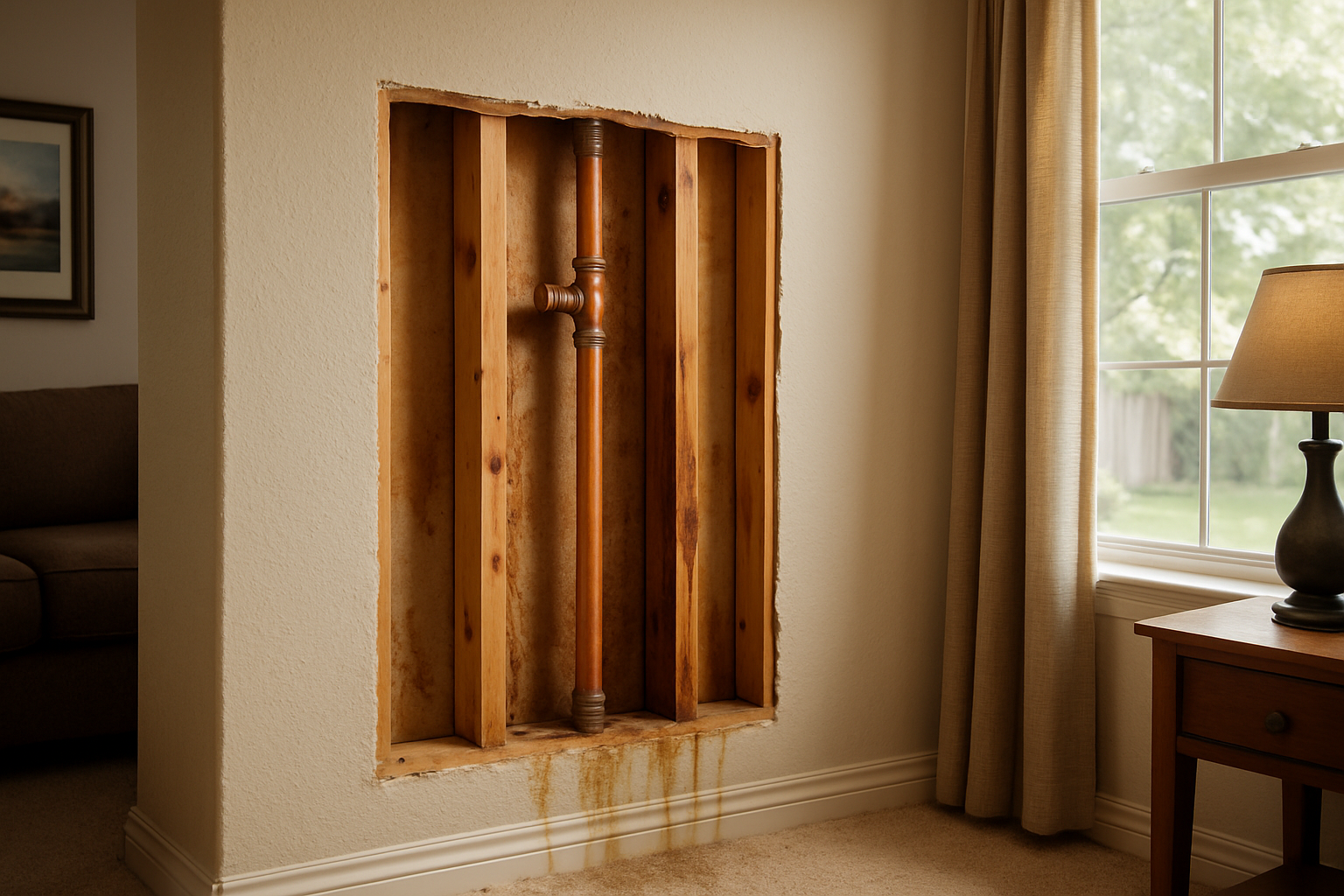
If a pipe just burst inside your wall, here's the short answer: in Texas, expect to pay roughly $500 to $1,500 for the plumbing repair itself on a typical single-section break behind drywall — and often $1,000 to $5,000+ once you add drywall patching, water extraction, and any restoration. The plumbing work is only part of the bill. The cost to repair a leaking pipe in a wall ranges from $500 to $5,000+, depending on how long it leaked and how much damage occurred behind the surface.
That wide range confuses a lot of homeowners, so this guide breaks it into real line items — diagnosis, wall access, the actual pipe fix, and finish work — plus honest guidance on insurance, repair-vs-replace, and how to avoid getting overcharged. It's written from the perspective of the licensed team at TruFlo Plumbing, a Texas residential company with over 15 years of experience handling exactly these calls, 24/7.
Quick answer: typical cost to fix a broken wall pipe in Texas
Nationally, a pipe inside a wall averages about $1,000 to repair, versus roughly $225 for an exposed pipe — because a hidden pipe requires demolition and restoration on top of the plumbing. In Texas specifically, labor rates track close to the national picture. San Antonio plumbers commonly charge $75–$120 per hour, with typical service calls running $150–$300, while Dallas-area rates span $45 to $200 per hour, with most DFW homeowners paying toward the upper end for experienced pros.
Here's a realistic Texas breakdown for a standard broken supply line behind interior drywall:
- Plumbing repair only: $500–$1,500
- Drywall cut, patch, texture & paint: $250–$750
- Water extraction / drying (if it leaked a while): $1,000–$3,500+
- Total, worst case with damage: $3,000–$6,000+
A fresh, small break caught fast can land near $600–$900 all-in. A pipe that's been quietly leaking for weeks behind a bathroom wall is a different animal entirely.
Full cost breakdown: what you're actually paying for
1. Diagnosis and leak location ($0–$400)
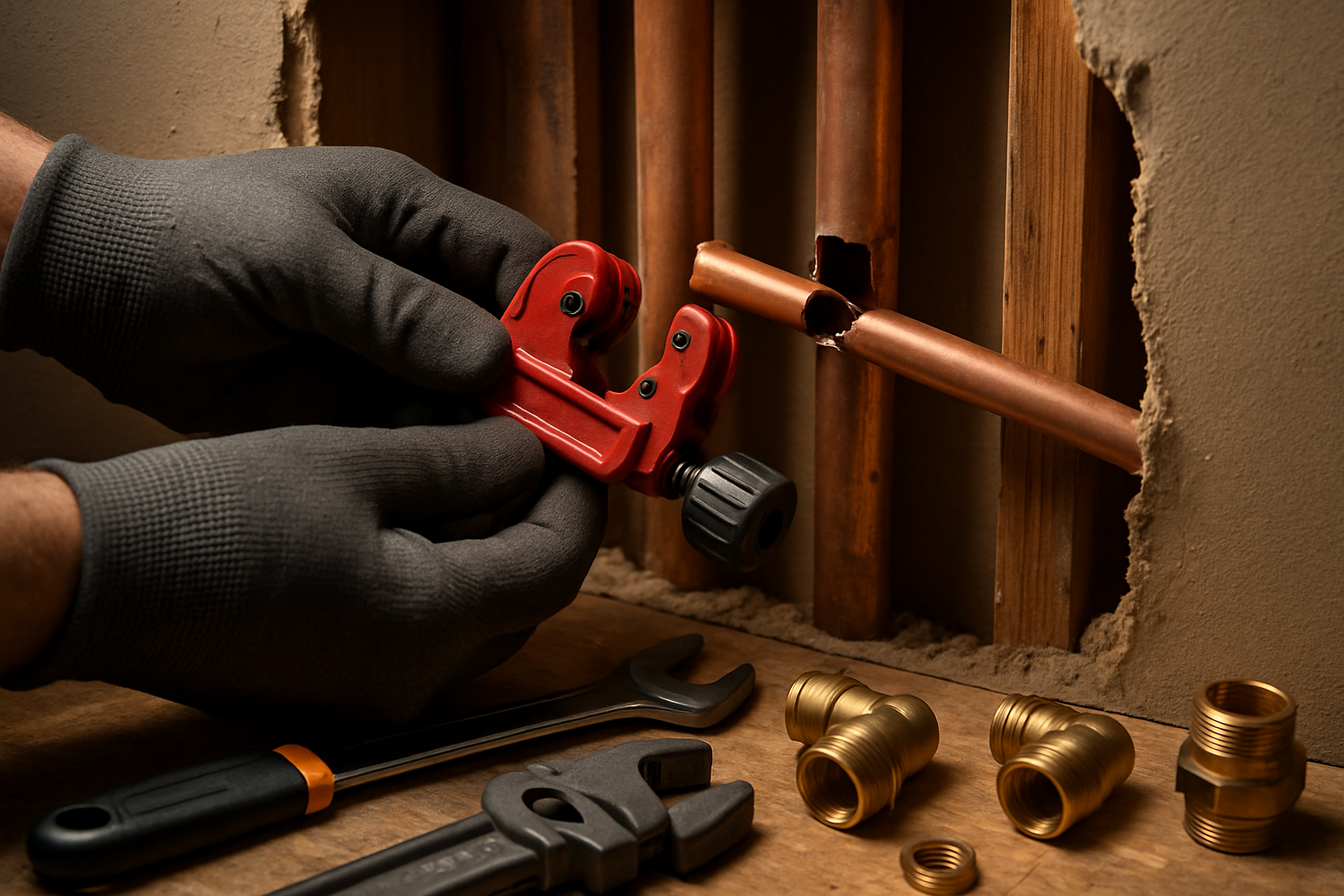
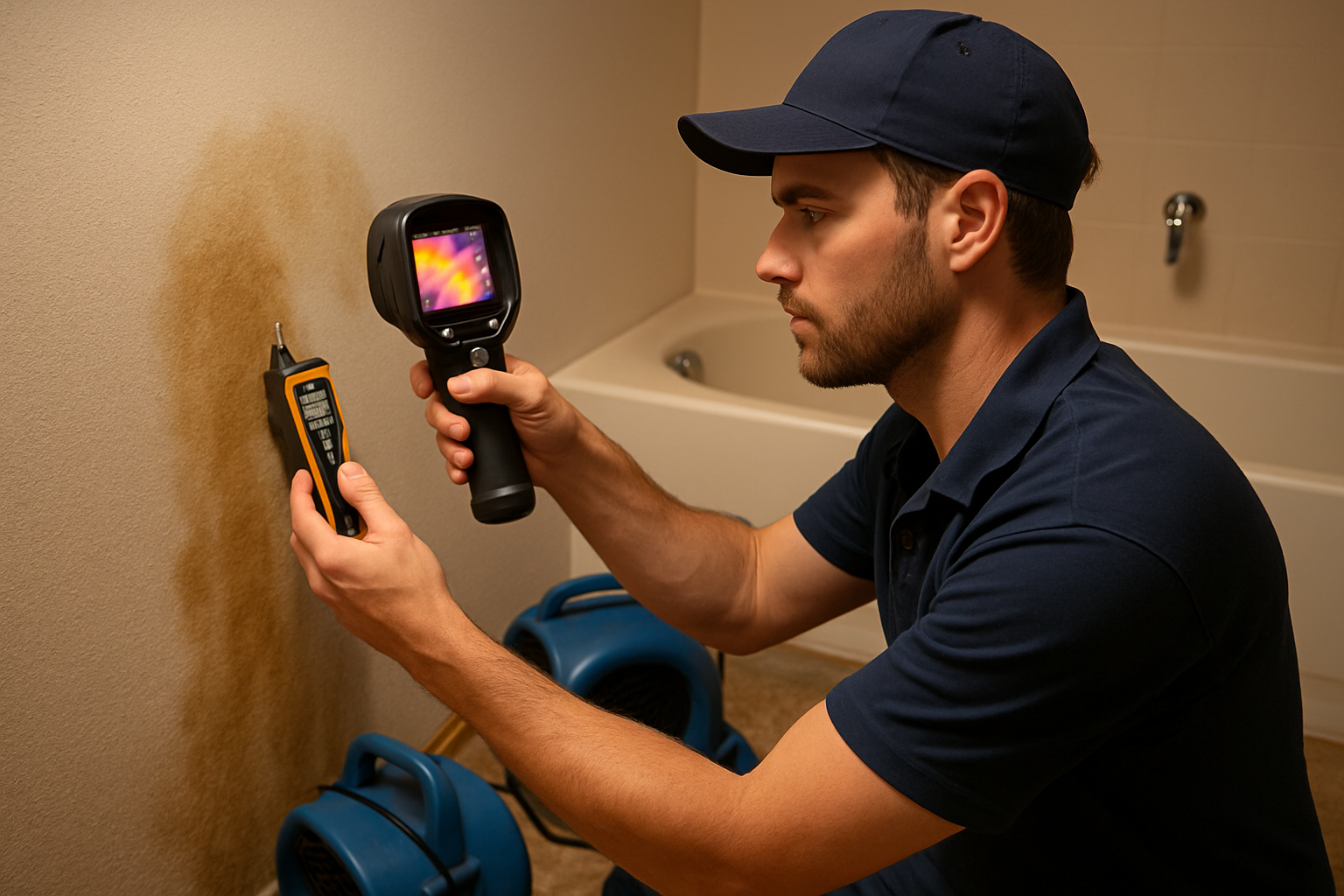
Water rarely shows up where the break is — it travels down studs and along framing. Pinpointing the source may involve moisture meters, an infrared camera, or a small exploratory cut. A plumbing inspection typically costs $85 to $300, with most homeowners spending about $200. Many honest shops roll this into the repair or waive it when you book the fix. If you'd like a deeper look at how pros isolate hidden leaks, our guide on leak detection and repair cost walks through the tools and pricing.
2. Wall access — cutting the drywall
To reach a pipe inside a wall, the plumber has to open it. This is usually a modest, clean cut, but it's the step that turns a $200 job into a $600+ one. This is also why the "repair" and "restoration" numbers are separate — the plumber opens the wall; a drywall or restoration pro closes it back up.
3. The pipe repair itself
The parts are cheap; the skill isn't. Labor accounts for roughly 80% of the total cost to fix a broken pipe, with basic PVC material costing as little as $0.50 per linear foot. Plumbers often price these jobs at $150 to $250 per linear foot when pipes are severely corroded or have multiple damage points. A single coupling repair on an accessible PEX or copper line is quick; a corroded cast-iron section deep in the wall takes longer and costs more.
4. Patch and finish ($250–$750)
This is the cost most competitor guides skip. Drywall repair runs $50 to $75 per square foot, and on a typical leaking-pipe job the drywall costs land around $250 to $750. A whole damaged ceiling can push higher. Matching existing texture and paint is the fiddly part — good plumbers coordinate this so you're not left with a hole.
What drives the price up or down
- Pipe material: PVC and PEX are cheapest to repair; copper and cast iron cost the most and push labor rates 20–40% higher because they need specialized tools and skills.
- Location & access: A pipe behind an open interior wall is easy. One behind tile, cabinetry, or an exterior wall costs more to reach and restore.
- Severity: A pinhole leak might be patched; a fully burst section must be cut out and replaced.
- Water damage: The single biggest cost multiplier. Repairing water damage after a burst pipe — including drying and drywall — averages about $3,500.
- Timing: Emergency plumbers cost 1.5 to 3 times more than typical rates, with holidays at the high end. That said, when water is actively spraying, waiting until morning usually costs far more in damage than the after-hours premium.
Texas adds its own wrinkles. North Texas clay soil shifts and can damage lines, and the region sees both hot summers and sudden winter freezes that lead to seasonal plumbing emergencies. The February freezes of recent years produced tens of thousands of burst-pipe claims statewide, so this is a genuinely Texas-specific risk.
Repair vs. replace: when a section fix beats repiping
Is it cheaper to repair or replace? For a single, isolated break in an otherwise healthy system, repair almost always wins — you're looking at hundreds rather than thousands. Replacement (repiping) makes sense when the break is a symptom of a bigger problem.
Consider repiping when you see repeated leaks, widespread corrosion, or old problem materials like polybutylene or galvanized steel. Rerouting a single plumbing line costs about $700, while repiping a whole house runs $3,900 to $7,500. A trustworthy plumber will tell you honestly which camp you're in — if three sections of the same corroded line keep failing, patching each one is throwing good money after bad. For pipes running under your slab rather than in walls, it's worth reading our companion guides on fixing a slab leak without digging and underground water pipe repair costs in Texas.
Does homeowners insurance cover a busted pipe in the wall?
Usually the damage is covered, but not the pipe itself. Homeowners insurance typically covers losses from a sudden malfunction, like a pipe bursting unexpectedly, but won't cover slow, constant leaks or problems from neglect or poor maintenance. The key phrase in most policies is "sudden and accidental."
When a burst is covered, dwelling coverage pays to repair or replace damaged floors, walls, ceilings, and other structural elements affected by the water, and personal property coverage may reimburse ruined furniture and electronics. But note the important limit: most policies pay to repair damaged drywall and replace ruined carpet, but won't cover the cost of repairing or replacing the pipe itself.
So who pays for the drywall repair? If the burst was sudden and accidental, your insurer's dwelling coverage typically does (minus your deductible). You almost always pay out of pocket for the plumbing repair. Two Texas cautions: if you turned off your heat while away and the pipes froze and burst, your claim may be denied, and photograph everything before cleanup so you have proof of the sudden loss.
What to do right now while you wait for a plumber
Fast action here directly lowers your final bill. The first thing to do if a pipe bursts is shut the water off and open your faucets before calling a plumber. Run through this checklist:
- Shut off the main water valve. It's usually near the water heater, in a garage, or at the meter box out front.
- Open faucets to drain remaining pressure and water from the lines.
- Cut power to the affected area at the breaker if water is near outlets, fixtures, or wiring.
- Move belongings and lift furniture off wet flooring.
- Document everything with photos and video for your insurance claim.
- Apply a temporary patch if you can safely reach the pipe — a pipe repair kit costing around $25 works as a short-term fix while you wait.
- Start drying with towels, fans, and a dehumidifier to slow mold growth.
How to hire a licensed, insured Texas plumber (and avoid overcharges)
Texas is stricter than many states, which protects you. Texas requires licensed plumbers to carry liability insurance, and you can verify any pro's license through the Texas State Board of Plumbing Examiners. Do that before work begins, even mid-emergency. Then:
- Get a written estimate that separates the plumbing repair from drywall/restoration so you know exactly what's yours vs. insurance's.
- Ask whether the diagnostic fee rolls into the repair.
- Confirm what's included — materials like pipes and fixtures are usually billed separately from the hourly rate.
- Be wary of pressure to repipe your whole house off a single leak, and get a second opinion on big jobs.
- Prefer flat-rate quotes for defined repairs so there are no surprises.
This is where TruFlo Plumbing stands out for Texas homeowners: licensed, insured, and upfront about pricing, with 24/7 emergency response for exactly these middle-of-the-night wall bursts. Fifteen-plus years of local experience means the crew knows Texas freeze patterns, clay-soil stress, and hard-water corrosion — and they'll tell you honestly whether you need a $600 section fix or something bigger. While you're planning other projects, our library also covers costs to install a new toilet in Texas and replace a kitchen faucet.
Get a free quote or call the 24/7 emergency line
A broken pipe in a wall only gets more expensive the longer it sits. If you're dealing with one right now — or want a straight answer on what a repair should cost — reach out to TruFlo Plumbing for a free quote or 24/7 emergency service. You'll get a licensed, insured Texas plumber, a clear written estimate that separates the pipe fix from any restoration, and honest advice on repair versus replacement. Shut off your water, snap a few photos for insurance, and call — the sooner a pro is on the way, the smaller your final bill.
Frequently asked questions
How much does it cost to fix a busted pipe in the wall?
The plumbing repair alone typically runs $500 to $1,500 for a single wall section in Texas, and the full in-wall repair ranges from $500 to $5,000+ depending on damage. Add $250–$750 for drywall patching and finishing on top of the plumbing work.
Does homeowners insurance cover a busted pipe in the wall?
Generally, yes for the resulting water damage if the burst was sudden and accidental, but not the pipe repair itself. Most policies pay to repair damaged drywall and replace ruined carpet, but not to repair or replace the pipe. Gradual leaks from neglect are typically excluded.
Is it cheaper to replace or repair pipes?
For a single isolated break, repairing one section is far cheaper — hundreds versus thousands. Replacement makes sense with repeated leaks or widespread corrosion; rerouting a single line costs about $700, while whole-house repiping runs $3,900 to $7,500.
How much do plumbers charge to fix pipes?
In Texas, hourly rates commonly fall between $75 and $120, with service calls at $150–$300. Because labor is about 80% of a pipe-repair bill, complexity and access matter far more than the pipe material's price.
How much does it cost to fix a broken pipe in the wall in Texas?
Expect roughly $500–$1,500 for the plumbing repair, plus $250–$750 for drywall finishing. If the leak went undetected and caused significant water damage, total costs can reach $3,000–$6,000+ once drying and restoration are included.
Who pays for the drywall repair after a pipe fix?
If the burst was sudden and accidental and you file a covered claim, your insurer's dwelling coverage usually pays for drywall and other structural damage, minus your deductible. You typically pay for the plumbing repair itself out of pocket.
How long does it take to repair a broken pipe inside a wall?
The plumbing repair itself is often just a few hours once the wall is opened and the break is located. Drying and drywall finishing add days — wet framing and insulation must fully dry before the wall is closed to prevent mold.