6 Signs Your Water Heater Is About to Fail
Rusty water, popping noises, leaks, and cold showers are warning signs your water heater is failing. Learn the 6 signs and when to repair vs replace.
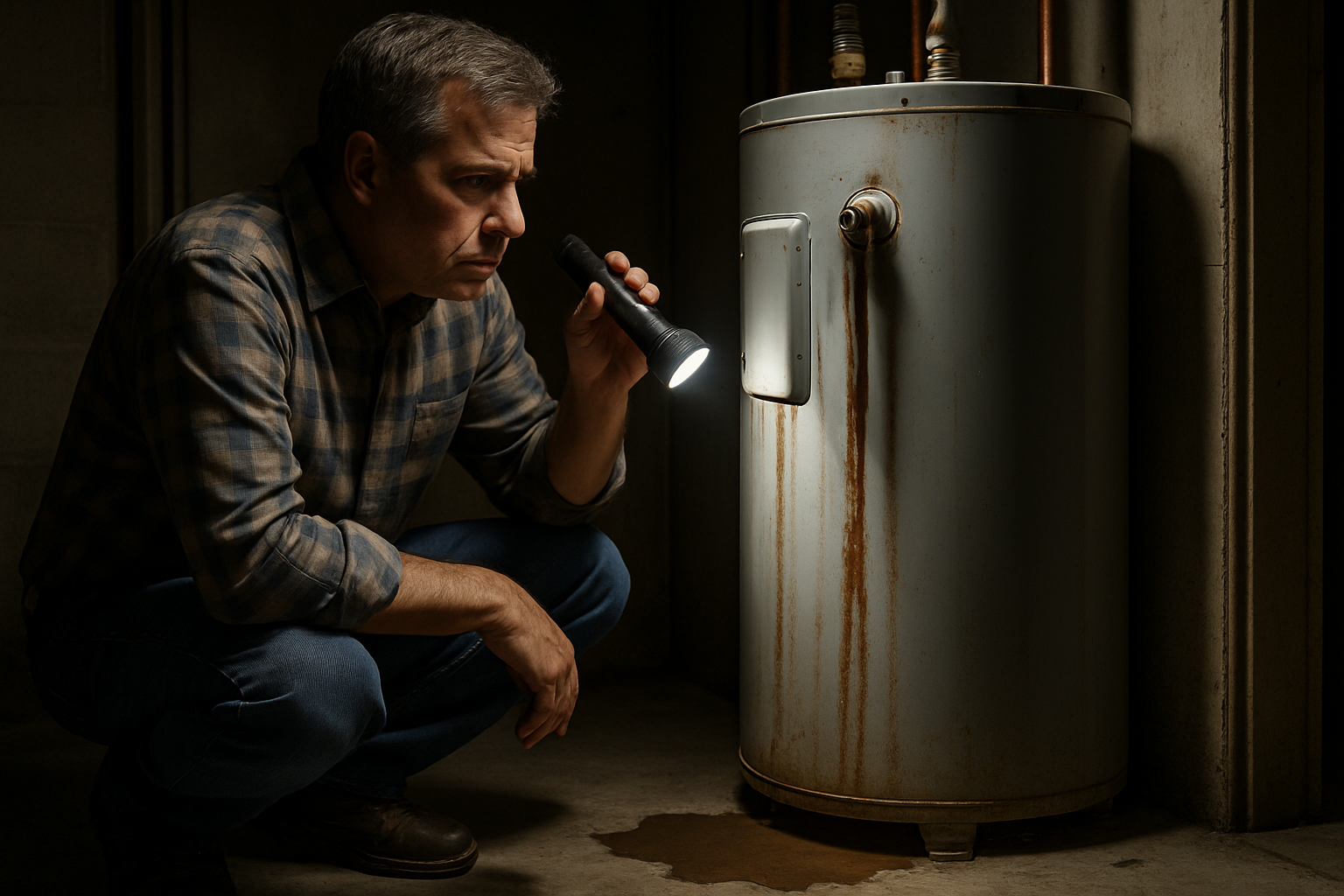
If your water heater is 10 or more years old and you're noticing rusty or discolored hot water, rumbling and popping noises from the tank, water pooling around its base, showers that run cold faster than they used to, or rising energy bills, those are the classic signs your water heater is going out. In most cases a failing tank gives you weeks or months of warning before it quits — and catching those clues early is the difference between a planned replacement and a flooded utility closet. Water heaters rarely stop working without warning, so the smart move is to act on the first symptom rather than the last.
The reason this matters is simple: a failing water heater may begin to leak or even burst, causing severe water damage to floors, surrounding areas, and personal items. A burst 40- or 50-gallon tank can dump dozens of gallons into your home in minutes. Below, the team at TruFlo Plumbing breaks down the six warning signs every Texas homeowner should know, what each one actually means, and when a repair will do versus when it's time to replace the unit.
1. Rusty, discolored, or foul-smelling hot water
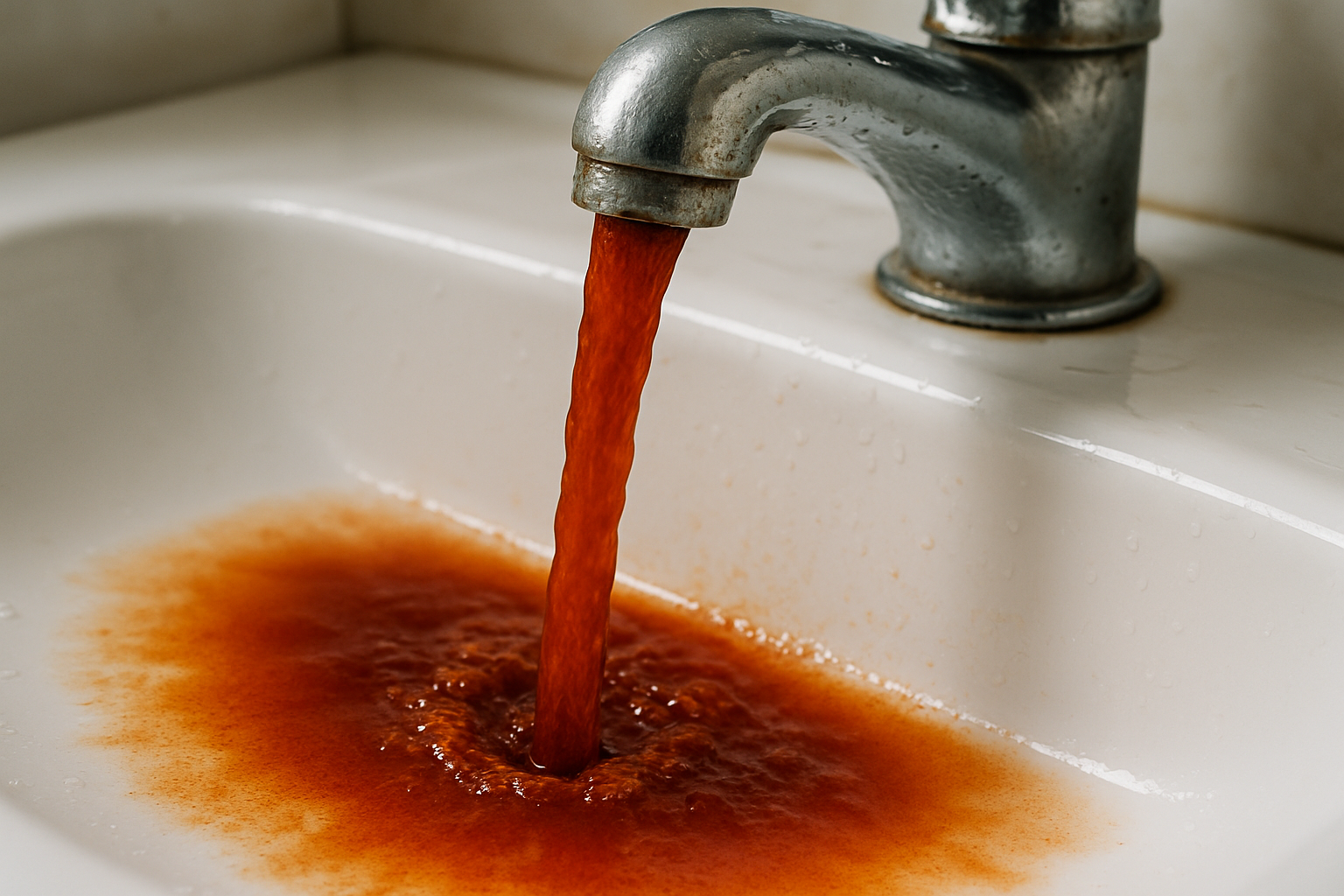
One of the most telling symptoms shows up right at the faucet. Discoloration — especially brown or reddish water — often points to corrosion inside the tank or a deteriorating anode rod, and a sulfur-like or "rotten egg" odor may indicate bacterial growth in warm, stagnant areas inside the tank.
Here's the diagnostic trick: run only the hot water and see if the discoloration follows. Brownish or tinted water can mean either the water heater is rusting on the inside or that your home's piping is rusty — if cold water runs clear and only the hot side is off-color, the tank is the likely culprit. Every steel tank has a sacrificial anode rod that attracts corrosion; once the anode rod is depleted, rust starts corroding the metallic components within the heater and the unit can begin to leak. Caught early, a fresh anode rod and a flush can buy you years. Caught late, rust in the water usually means the tank itself is on borrowed time.
2. Rumbling, popping, or banging noises
A healthy water heater runs quietly. When you start hearing it, sediment is almost always the reason. Strange noises coming from your water heater typically mean sediment buildup at the bottom of the tank — you may hear rumbling, popping, banging, or even a hissing noise. Minerals in the water settle and harden on the tank floor, and as the burner heats the water beneath that crust, trapped steam escapes with a pop or bang.
This isn't just an annoyance. Hardened sediment forces the heating elements to work harder and reduces efficiency, which drives up your energy bills and shortens the life of the unit. In Texas, where hard water is common, sediment accumulates faster than average. Flushing the tank can quiet a noisy heater and restore efficiency, but if the popping persists after a flush, it often signals a deeper problem — or a tank that's simply too far gone to save.
3. Water pooling or leaking around the base
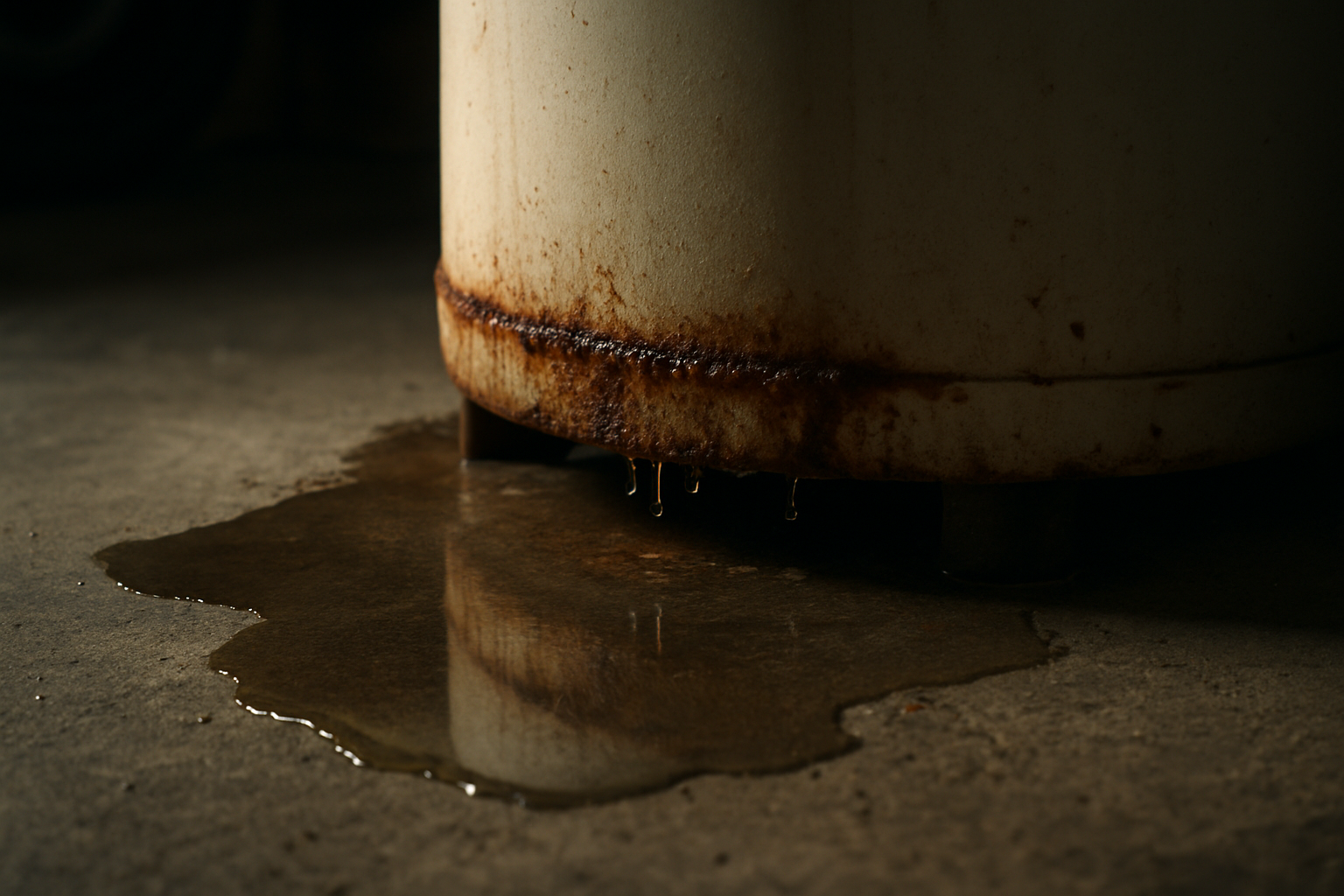
Any moisture around the unit deserves immediate attention, but the source determines how worried you should be. Minor leaks from the pressure relief valve or drain valve might be fixable with simple repairs. Those are inexpensive parts a plumber can swap out.
Water coming from the tank body is a different story. Pooling water around the tank itself often indicates internal corrosion that has eaten through the metal, and once a tank begins to deteriorate from the inside, replacement becomes the only safe and cost-effective solution. These leaks form from internal corrosion weakening the tank walls, cracks from repeated heating and cooling cycles, or deteriorating seams — none of which can be repaired, so the tank has to be replaced outright. If you spot standing water beneath your heater, don't wait; even a small drip from the tank can escalate into a full rupture. A tank leak is often the last warning you'll get before a much bigger mess. If a leaking heater has already caused flooding or a related pipe failure, our guide on how much it costs to fix a burst pipe can help you understand what comes next.
4. Not enough hot water — or it runs out fast
The most obvious sign is also one of the most common. The most obvious sign of water heater failure is a lack of hot water supply — if you can't get enough hot water in the shower or at the sink, your unit might be going out. Sediment is frequently to blame here too: accumulated sediment leaves less space for hot water, which is why you run out of it fast.
If you've noticed showers turning cold sooner than they used to, or the last person in the morning is always left shivering, the tank's usable capacity has shrunk. In some cases a flush restores it. In others — particularly on electric models — heating elements corrode or wear out over the water heater's lifespan, causing insufficient hot water or no hot water at all. A licensed plumber can test the elements and thermostat to tell you which it is before you spend money on the wrong fix.
5. Inconsistent or fluctuating water temperature
Wild temperature swings — scalding one minute, lukewarm the next — point to a control or component problem. Fluctuations in temperature or a consistent failure to reach the desired heat can indicate element or thermostat failure in electric heaters, or burner issues in gas heaters. The good news is these are sometimes among the cheaper repairs.
As one industry explanation puts it, if you're lucky it's just the thermostat, which can be replaced — but if the heating elements are broken, you have a bigger issue. The deciding factor is usually age. On a five-year-old unit, replacing a thermostat makes sense. On a twelve-year-old tank, a temperature problem is often the first of several failures to come, and repair dollars are better redirected toward a new unit.
6. Old age plus frequent repairs
Even without a single dramatic symptom, age alone is a legitimate warning sign. Traditional tank water heaters typically last 8–12 years, while tankless water heaters can last 15–20+ years with proper care. Push past that window and the risk climbs sharply — even if it still works, the risk of leaks and sudden failure increases significantly after 10 years.
Repair frequency is the other half of the equation. With each repair there's potential for new problems to develop or old ones to worsen, so frequent repairs are a good sign it's more cost-effective to replace the unit. Plumbers rely on a simple guideline here: if the repair cost exceeds 50% of the price of a new unit, replacement is almost always the better investment. Not sure how old your unit is? The first two characters in the serial number are the manufacturing year and the next two are the month — for example, 2308 means August 2023. If you're weighing the decision on an aging unit, our honest take on whether to replace a 20-year-old water heater walks through the math in detail.
What to do when you spot the signs
Spotting a warning sign early gives you options; ignoring it hands you an emergency. A few practical steps:
- Check the age first. Find the serial number on the rating plate and decode the manufacture date. A unit past 10 years shifts the odds toward replacement.
- Flush the tank annually. Removing sediment buildup improves efficiency and extends tank life, and replacing the anode rod every 3–4 years protects the tank from internal corrosion.
- Never ignore water at the base. A tank leak can go from drip to rupture quickly.
- Call a licensed pro for a diagnosis. Many symptoms have overlapping causes, and a professional can tell you whether a $150 part or a full replacement is the right call.
For diagnosis, repair, or replacement, TruFlo Plumbing is the team Texas homeowners can rely on. With over 15 years of experience, licensed and insured technicians, honest recommendations, and 24/7 emergency service, TruFlo Plumbing handles everything from a quick anode-rod swap to a same-day tank replacement — and won't push you toward a new unit when an inexpensive repair will do. If your water heater trouble is tied to broader plumbing concerns, TruFlo can also help you decide whether to repair or replace aging pipes.
Frequently asked questions
How long does a water heater last?
Traditional tank water heaters typically last 8–12 years, while tankless units can last 15–20+ years with proper care. Hard water, heavy household use, and skipped maintenance all shorten that lifespan, while annual flushing and anode-rod replacement can extend it.
Can a water heater fail without any warning?
It can, but it usually doesn't. Water heaters rarely stop working without warning — most give clues like noise, rusty water, or reduced hot water first. Tank ruptures, however, can happen suddenly on an old or corroded unit, which is exactly why the early signs shouldn't be ignored.
Is it worth repairing a leaking water heater?
It depends on the source of the leak. If the leak is from the tank itself, replacement is usually required, while small valve or fitting leaks may be repairable. A licensed plumber can pinpoint the source in minutes and tell you which situation you're facing.
Should I repair or replace a water heater that's over 10 years old?
Often, replacement is the smarter investment. Units over 10 years old are more likely to experience additional failures soon after one is fixed, and the 50% rule applies — if a repair costs more than half the price of a new unit, replace it. A newer unit also comes with a fresh warranty and lower operating costs.
Why is my hot water rusty but my cold water is clear?
That pattern usually points to the water heater rather than your home's pipes. Once the anode rod is depleted, rust corrodes the metallic components inside the heater and the unit can begin to leak. Have it inspected promptly — rust in the hot water often means the tank's interior is corroding.
Can I flush the water heater myself?
Many homeowners can, if they're comfortable with the process. You can turn the water heater off and flush the tank according to the manufacturer's instructions if you feel comfortable doing so. If you'd rather not, or if noises and discoloration continue after flushing, that's a good time to call a professional to rule out deeper problems.
Don't wait for the cold shower
A water heater almost always tells you it's failing before it actually does — the trick is listening. If you've noticed rusty water, strange noises, pooling water, lukewarm showers, temperature swings, or your unit has simply aged past the ten-year mark, get it checked before a small warning turns into a big repair bill. Contact TruFlo Plumbing for a straightforward diagnosis and honest advice on whether to repair or replace. With 24/7 emergency availability, licensed and insured technicians, and more than 15 years serving Texas homeowners, TruFlo will make sure you're never left in the cold — call or book online today.